Author: prairiegirlmusings

  • The Making of a Great City

    The Making of a Great City

    I’ve always been fascinated by the question, ‘what makes a great city?’. I’ve spent the last decade living in, travelling to, and immersing myself in exceptional cities. I’ve also been living with a planner and fellow urbanophile (Nick) for the last six or so years and he’s taught me a thing or two.

    It can be difficult to articulate what specifically makes some cities stand out more than others. I find myself pondering this question as Christchurch rebuilds. So, I sat down with Nick to identify how my favourite cities fit within the framework of what urban thinkers deem great cities.
    justin-main-82527
    Photo by Justin Main

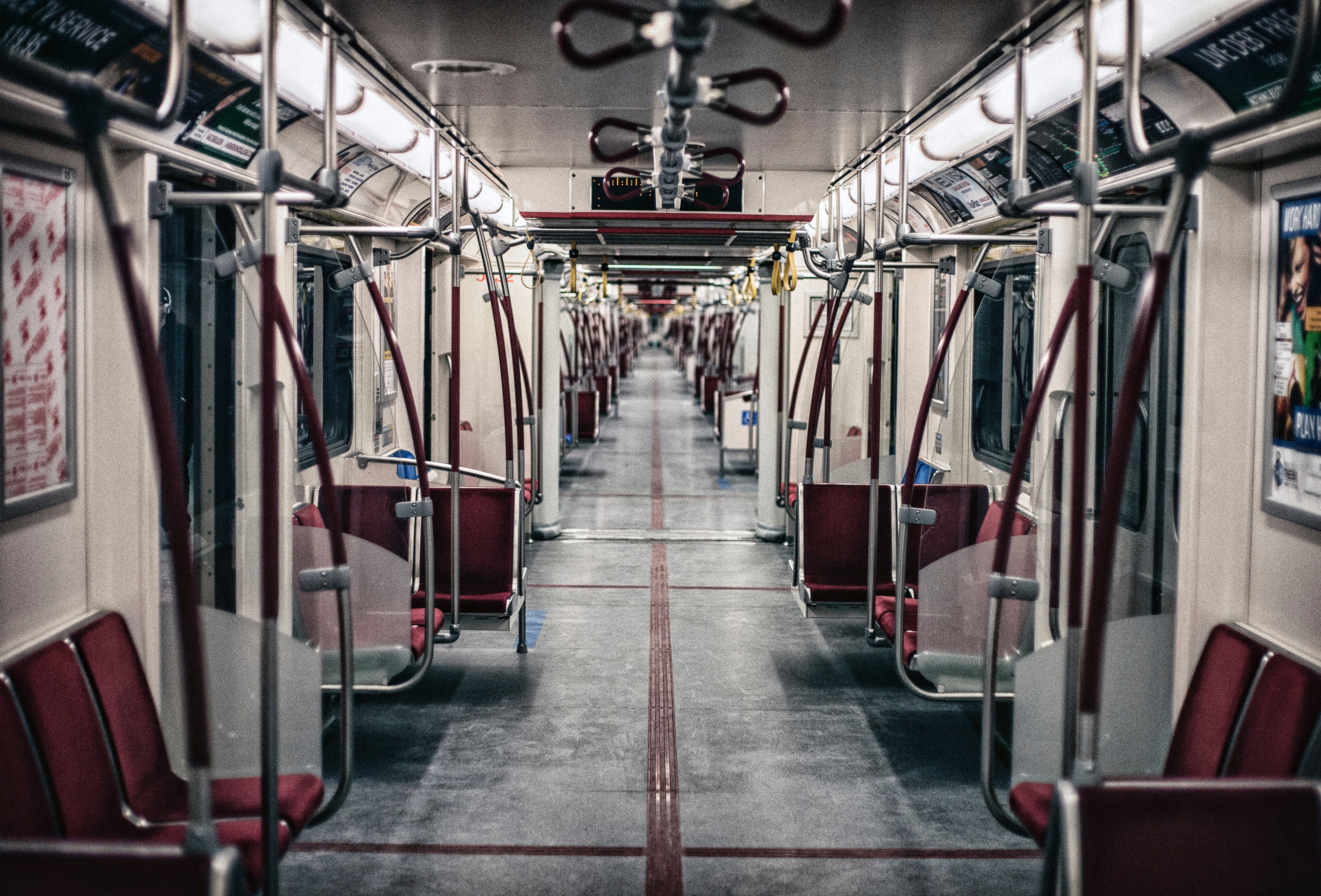
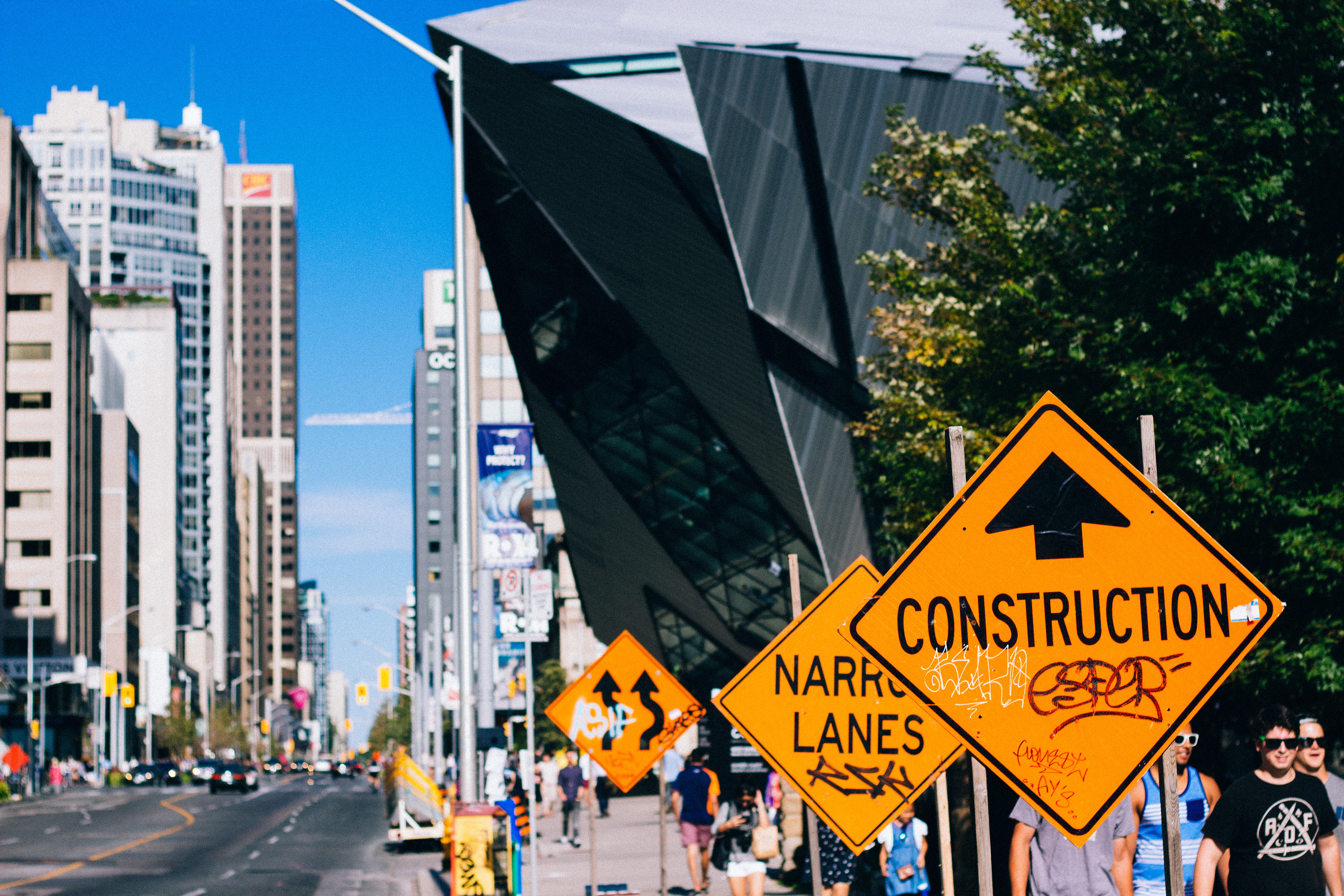
    Vanessa: I benchmark every city against Toronto, a city I once called home, and a place I loved for its people, culture, ideas, and fashion. Toronto is the most diverse city in the world and this is reflected in its architecture, neighbourhoods, cuisine, acceptance of ideas and ways of life.

    Nick: One of the most influential urban thinkers of the twentieth century, Jane Jacobs called the city home for the latter half of her life. She was a champion for urban diversity in every sense of the word. She observed that mixed-use neighbourhoods where people could live, work, recreate and educate within close proximity were quantifiably more vibrant than cities that separated land uses. When those conditions are enabled, you end up with residents from all different backgrounds, generations, and walks of life. Diversity isn’t found in every city, but it’s a key ingredient that makes great cities stand out from the rest.  

    Vanessa: Probably not quite as diverse as Toronto, Copenhagen is another incredible city.  I travelled to Copenhagen on my own, but never experienced loneliness or isolation. This Scandinavian city is filled with public spaces, lively walking environments and plenty of places to go, stay, sit and people watch.

    Nick: Jan Gehl is a Copenhagen native and the foremost expert on the importance of human scale and places for people in cities. Typically, where cities get this wrong is in the wasted opportunity cost of allocating space. In the early 1970s, just a few years after WWII, cars had begun to dominate almost every available piece of public space in the city.  This was taking place in cities all over the world, but famously, Copenhagen was one of the first places to set out and reverse it. New Regent Street in Christchurch is an excellent example of this; in the 1970s it was just like any other street in the city with cars parked down either side. It became a pedestrian mall in the 1990s and is now one of the best people-watching spots in the city.

    sven-scheuermeier-36168

    V: On a completely different scale, I recently visited Tokyo and was captivated by the hustle and bustle throughout the day, no matter where I went. Whether 3AM or 3PM, the city was alive and thriving. I experienced a similar feeling in London, where each distinctive neighbourhood felt vibrant and unique.

    N: One of the things that codifies a city from a town is its ability to commerce and trade at a whole new level. When trading ideas, services and experiences amongst a global marketplace, traditional hours of operation no longer apply. 24-hour cities are abundantly more productive, vibrant and safer. It’s not just about bars and clubs either, dozens of cities are appointing unofficial “night mayors” to formalize and capitalize on the creativity, productivity, and culture that emerge after dark. It’s an important part of attracting and retaining people to a place. Christchurch is really struggling in this regard post-quake, but events like FESTA are doing a fantastic job of showing a different side of the city at night.

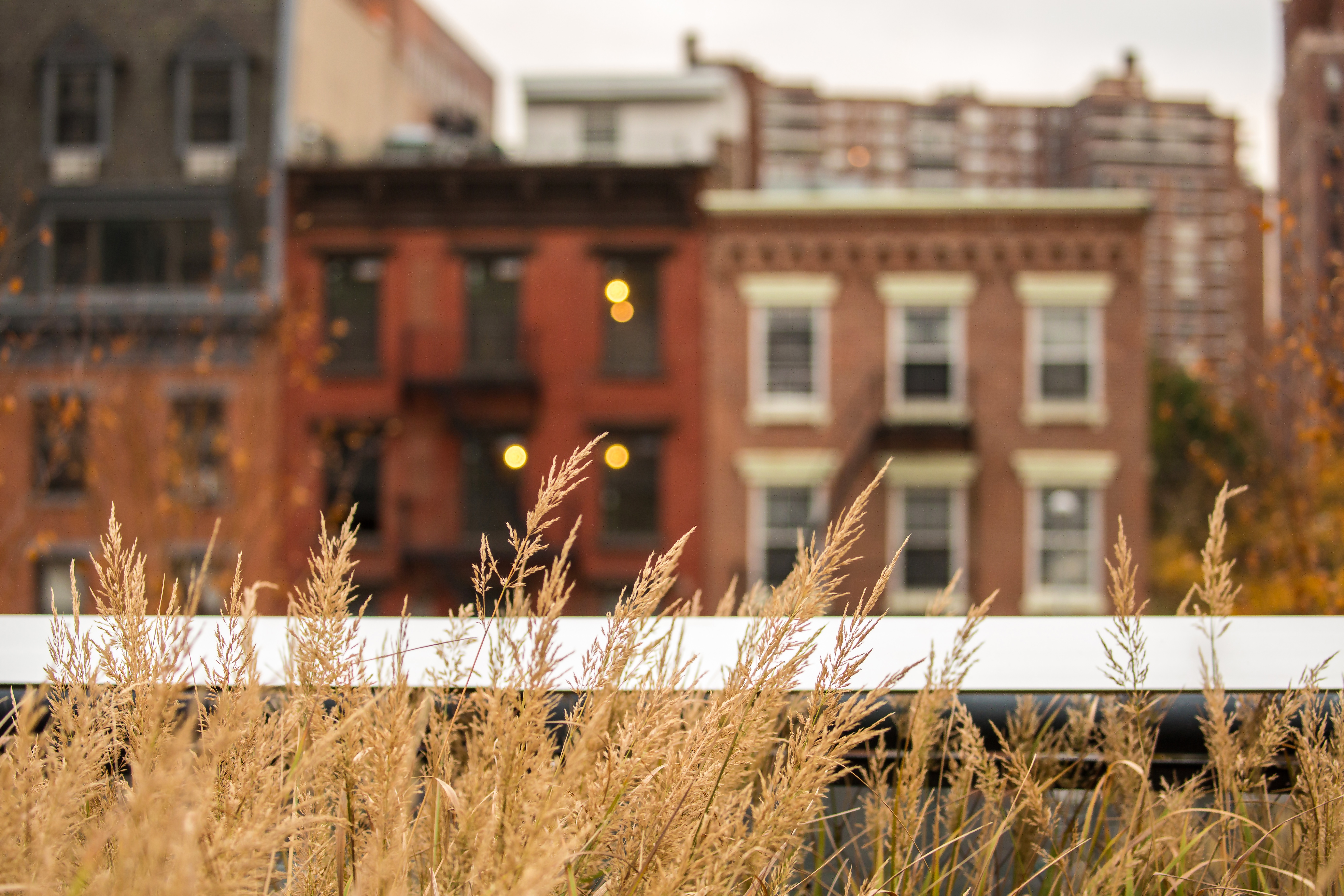
    V: Cities in in North America appear to have so much character, Boston, New York and Montreal seem to be constantly evolving and changing while holding on to their stories and interesting narratives. I was especially intrigued by the old Meatpacking District and how it’s been re-imagined with the High Line.

    N: Cities aren’t static and the ones that stand out manage to tell a story about their past, but know where they are heading in the future. Most western cities outside of Europe were founded and grew during the industrial era. It’s heartbreaking to see cities that haven’t been able to keep pace and have become shadows of their former selves. Some of the most interesting places within great cities have adapted from what they once were, and are given a new life as something different in a modern city. Examples include The High Line, Brew Works Pittsburgh, and City Works Depot. It’s why people are drawn to converted loft studio spaces or apartments, knowing they were formerly warehouses. In Christchurch, we have C1 Espresso (which was previously a post office) and of course, The Arts Centre, (The University of Canterbury) now more open and inviting places for the public than they once were.
    ben-dumond-70961.jpg
    Photo by Ben Dumond

    V: Sometimes what captivates me about cities is more than just their downtowns. I couldn’t get over the beauty of Cape Town, wedged between mountains and the sea, its remarkable skyline is immediately recognizable.

    N: Vistas and skylines are what make up a city’s urban form, but they’re only recognizable once you’re able to move to the right vantage point. Natural geographic assets are generally responsible for why cities are found often alongside rivers, oceans or mountainsides. Today, many of these features have become iconic landmarks. It’s the combination of urban and natural environments that often give cities their aesthetic sense of liveability. Everyone identifies Christ the Redeemer with Rio and Rangitoto with Auckland. Christchurch has been fortunate to have the Port Hills, Southern Alps, and the Pacific Ocean so close, by but it’s by design rather than accident. There is a renewed focus on ensuring the natural assets are underscored amongst the urban environment.

    *

    All cities possess these principles to a greater or lesser degree. It’s the great cities that truly embody these characteristics and stay with us long after we’ve left.

    johan-mouchet-97137
    Photo by Johan Mouchet
    bart-anestin-100992
    Photo by Bart Anestin
    clinton-naik-200638
    Photo by Clinton Naik

    Featured image by Tim Gouw

  • What I’ve learned in five years of blogging

    What I’ve learned in five years of blogging

    133A8962

    Hi friends,

    I haven’t written a ‘musings’ post in quite some time. I’m trying to find my voice as a blogger and my place in this ever-evolving industry. That said, this is Prairie Girl Musings, after all, so reflections are expected from time to time.

    I wanted to share a few things I’ve learnt since starting Prairie Girl Musings. After several failed attempts at blogging, (I actually had a blog for a few weeks called, La Vie En Tie-Dye…don’t ask!) Prairie Girl Musings was born in 2012. I had just completed my university studies and needed a creative outlet whilst searching for a paid gig. Blogging allowed me to express my thoughts on the world around me. That’s all it was in the beginning and if you scroll back, you’ll see that my older posts were a lot more personal. As time went on, I realized that my diary entries were a bit of a snooze fest and if I wanted PGM to survive, I’d have to adopt a new strategy.

    Useful and Relevant

    The blogging landscape has changed since 2012. While personal posts give blogs context and personality, readers want practical, useful information. Writing about a topic you know a lot about is a great way to share that knowledge with your audience. Whether it’s a guide to the most Instagrammable cafés in New York City or advice on acing that job interview, make sure your blog is helpful.

    Consistency Is Key

    Stick to a posting schedule! If your readers are used to hearing from you on a weekly basis, don’t disappoint them with radio silence for months on end. This one is easier said than done and requires planning ahead, but your audience will thank you for it.

    Be Unique or Be First

    It’s all too easy to copy what everyone else is doing, but I urge you to find your own voice. If everyone’s writing about that new Yorkville eatery, write about a Corktown café instead. Or if you want to write about the latest spot that everyone will soon be frequenting, be the first to do it!

    A Picture’s Worth A Thousand Words

    As a writer, I’ve always prioritized copy over imagery. That said, we’re visual beings and your readers need a break from your beautiful prose, so supplement your words with gorgeous imagery. You don’t need to post galleries, three or four photographs will make a world of difference.

    Short and Snappy

    Nobody has time to read pages and pages of prose, no matter how well you write. With online platforms, it’s better to get to the point quickly.  On that note, I should probably wrap this up.

    133A8947

    133A8985

    Thank you to Jillian Miller Photography for all images. 

  • New Opening: Little High Eatery

    New Opening: Little High Eatery

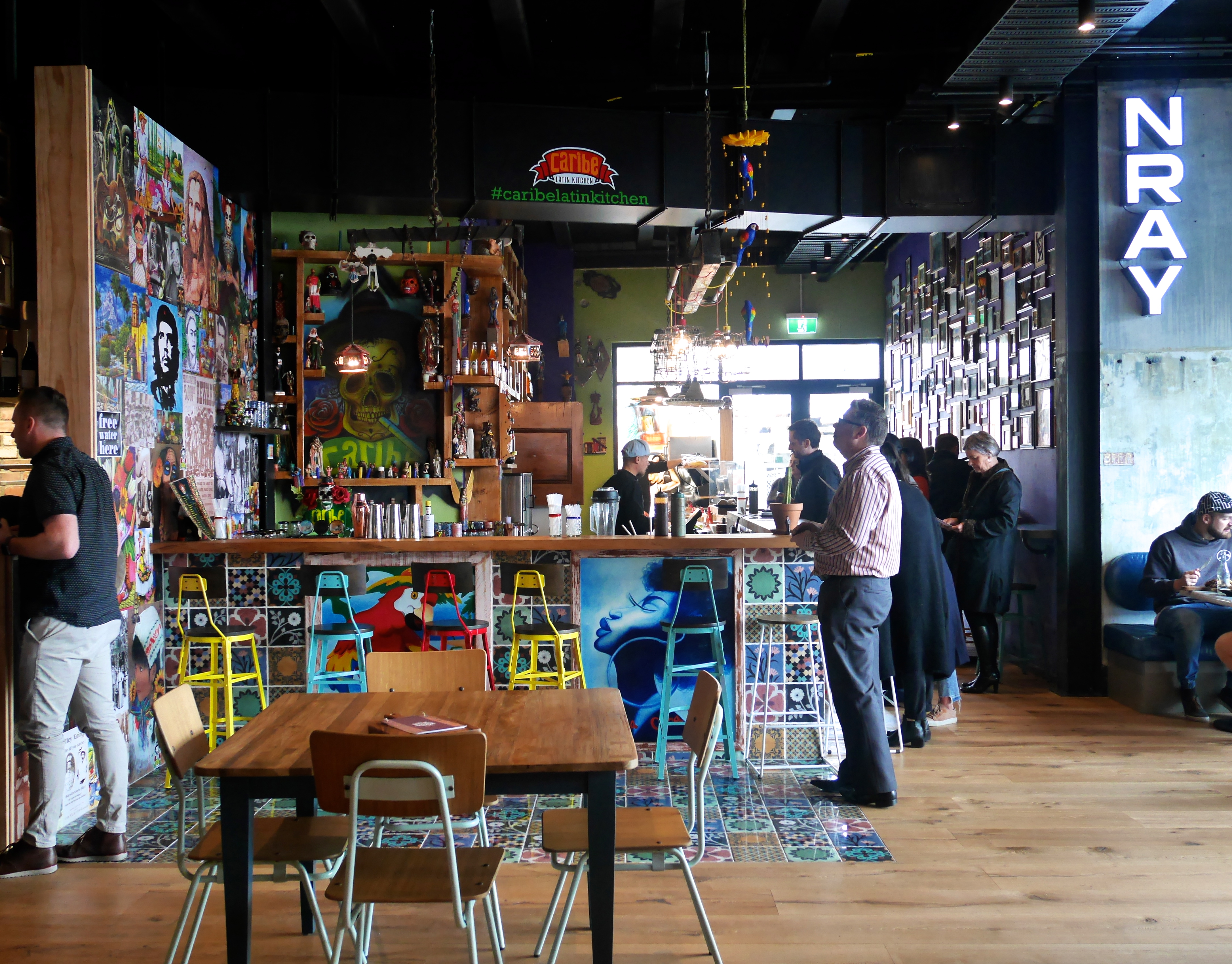
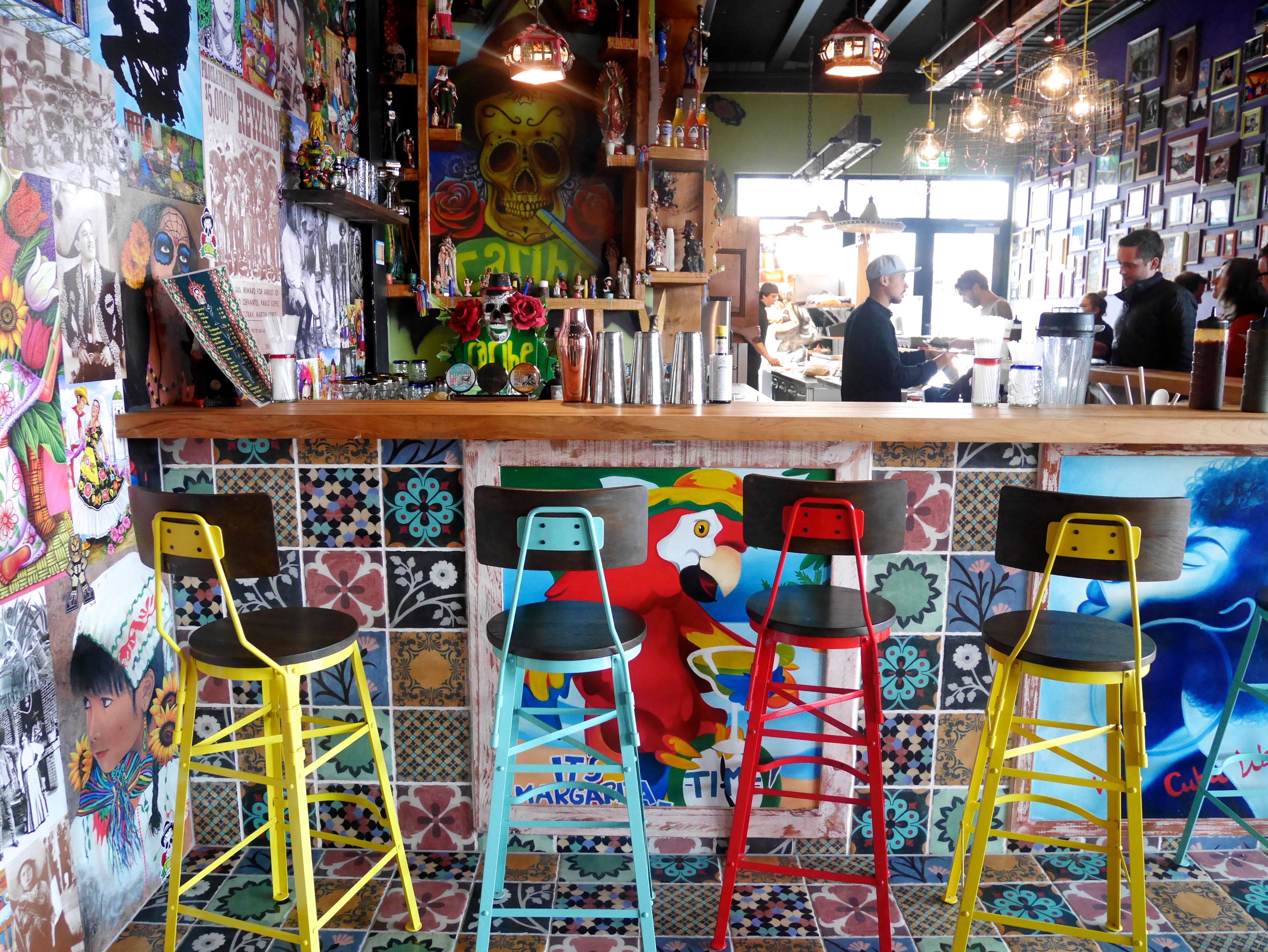
    In a city that’s slowly rebuilding, Little High Eatery came out of the blue. Tucked behind the Mackenzie & Willis building on Tuam Street, across from C1 Espresso, lives a brand new food court. This isn’t your run-of-the-mill suburban shopping mall food court, it’s an exercise in excellent urban planning. Little High makes excellent use of a relatively small space; it’s home to eight quality eateries including Bacon Brothers, Base Pizza, A Mouse Called Bean, Eightgrains (deliciously, made-to-order dumplings), Sushi Soldiers, El Fogon, Thai Street Kitchen, and my personal fave, Caribe (Latin American food and margaritas the size of my head!)

    P1050278

    P1050267

    The new eatery is quickly becoming a local institution (I’ve been there three times in five days!) and proves to be the perfect destination for indecisive eaters and foodies alike. The atmosphere at Little High is lively throughout the day, with coffee and breakfast burgers being served from 7am. If you’re searching for a lunch spot or after work drinks, this is it.

    P1050349

    P1050268


  • Where To Have Lunch In Christchurch’s CBD

    Where To Have Lunch In Christchurch’s CBD

    Christchurch’s CBD is steadily growing with new businesses popping up on the regular. In fact, it seems like every other day, a new café or restaurant opens in Christchurch! With so many offices moving back into the CBD, there’s plenty of space for growth and many mouths to feed.

    If you haven’t been to the CBD in awhile, you may find yourself overwhelmed with all the new gems. These are my six favourite spots to grab lunch (and one new café thrown into the mix!) The majority of these spots are conveniently located on St. Asaph Street.

    Grain
    19 Southwark Street
    Grain Coffee and Eatery is a minimalist’s dream. The stark white walls and high ceilings mean that the coffee and food remain a key focus. Their olive green machine pumps out AllPress coffee and they have both an enticing menu and cabinet food on offer. I recommend trying their grain bowls – filled with fresh veggies, these are filling and oh so tasty.

    IMG_0130

    Thai Box
    270 St. Asaph Street
    The fresh spring rolls at this lunchtime mainstay are my go-to on busy days. Prepared fresh, they are perfect to grab and go. I’ve also tried the Massaman curry and Pad thai at Thai Box, both are the stuff of dreams!

    Steampunk Laboratory
    270 St. Asaph Street
    Did you know you could get Korean food to go in Christchurch? For a speedy lunch option that’s warm and full of flavour, grab a cup bop at Steampunk. I can’t resist the tofu option.

    IMG_9115.JPG

    Engine Coffee Brewers
    270 St. Asaph Street
    Hidden behind Thai Box on St. Asaph Street, Engine Coffee Brewers has been open only three days. While off to grab spring rolls (see above) I stumbled upon their sign and was intrigued to find a sparse café filled with greenery and some fresh baked goods. The cool thing about Engine is that they know coffee and have made this their priority. Order it black or white and stay a while.

    Processed with VSCO with a6 preset

    image1 (21).JPG

    Madam Woo
    255 St. Asaph Street
    Hailing from Queenstown, Madam Woo has now opened venues across the country. Much to the delight of Cantabrians, Christchurch now has a place to get your Malaysian street food fix. Feast on hawker rolls, sui mai and dumplings, actually try everything on the menu because it’s all amazing. This is the place to go for a long lunch (complemented by a beverage, of course!)

    IMG_8833.JPG

    Potsticker Dumpling Bar
    144 Lichfield Street (Poplar Lane)
    My colleagues and I often enjoy treating ourselves to delicious dumplings from Potsticker on Poplar Lane. With a rotating, seasonal menu, you’re sure to find an option to satisfy your palette. Their dessert dumplings are particularly noteworthy. The good news is they’ve now opened another establishment on Victoria Street, Sister Kong, which serves Hong Kong street eats!

    Processed with VSCO with a6 preset

  • Tokyo’s Must-Visit Neighbourhoods: Shibuya

    Tokyo’s Must-Visit Neighbourhoods: Shibuya

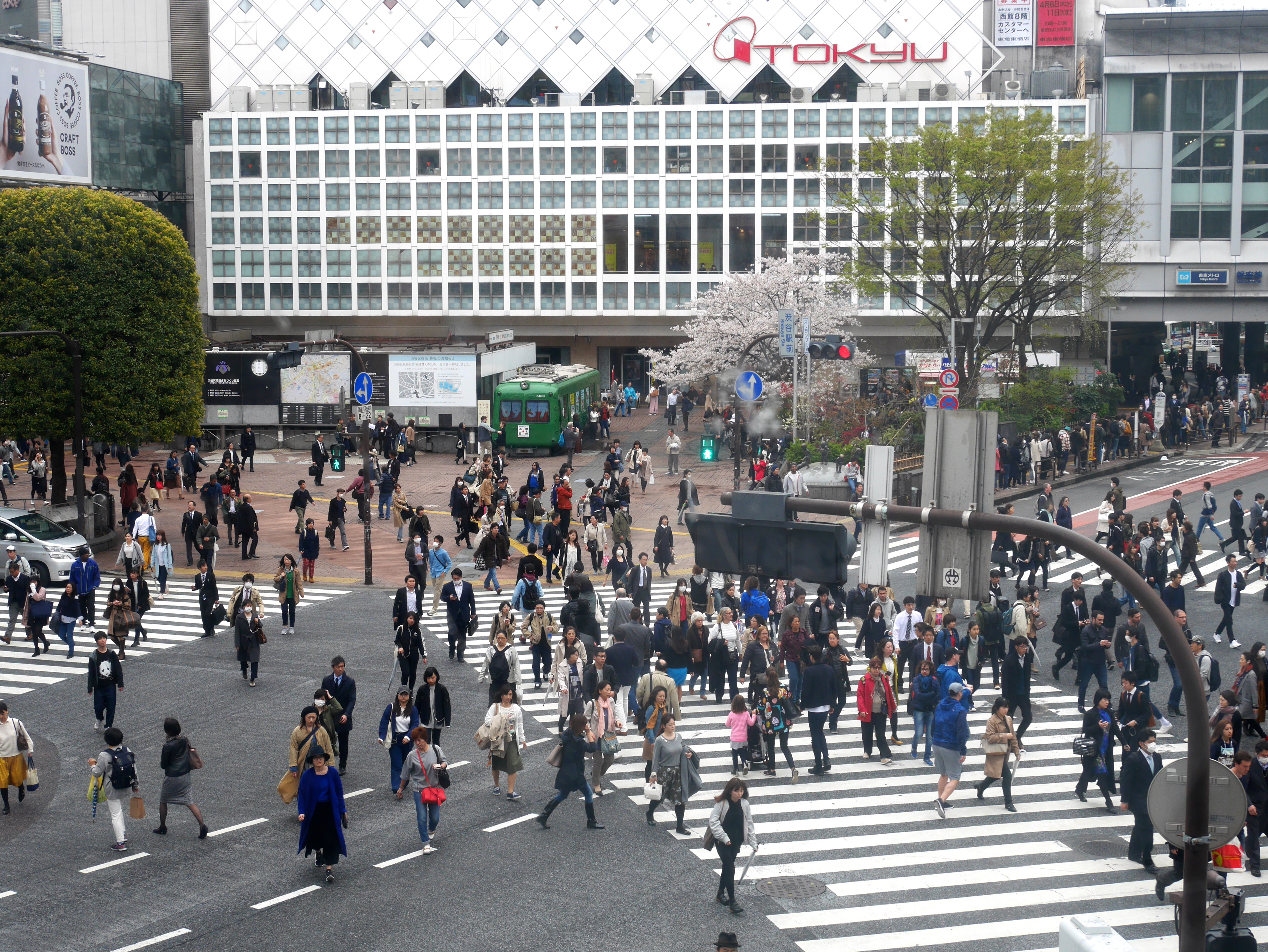
    With two and a half days on either side of our two week journey through Japan, we initially stayed in tourist hub, Shibuya at Granbell Hotel. Only steps away from the train station, I loved beginning our travels in Shibuya as it placed us close to key attractions like the Shibuya Crossing, Yoyogi Park and the Hachikō statue. It was also close to a few of the restaurants and cafés I wanted to visit because what trip is complete without a bit of café hopping, am I right? The hotel itself was one of the few boutique properties in a city known for its global, towering chains.

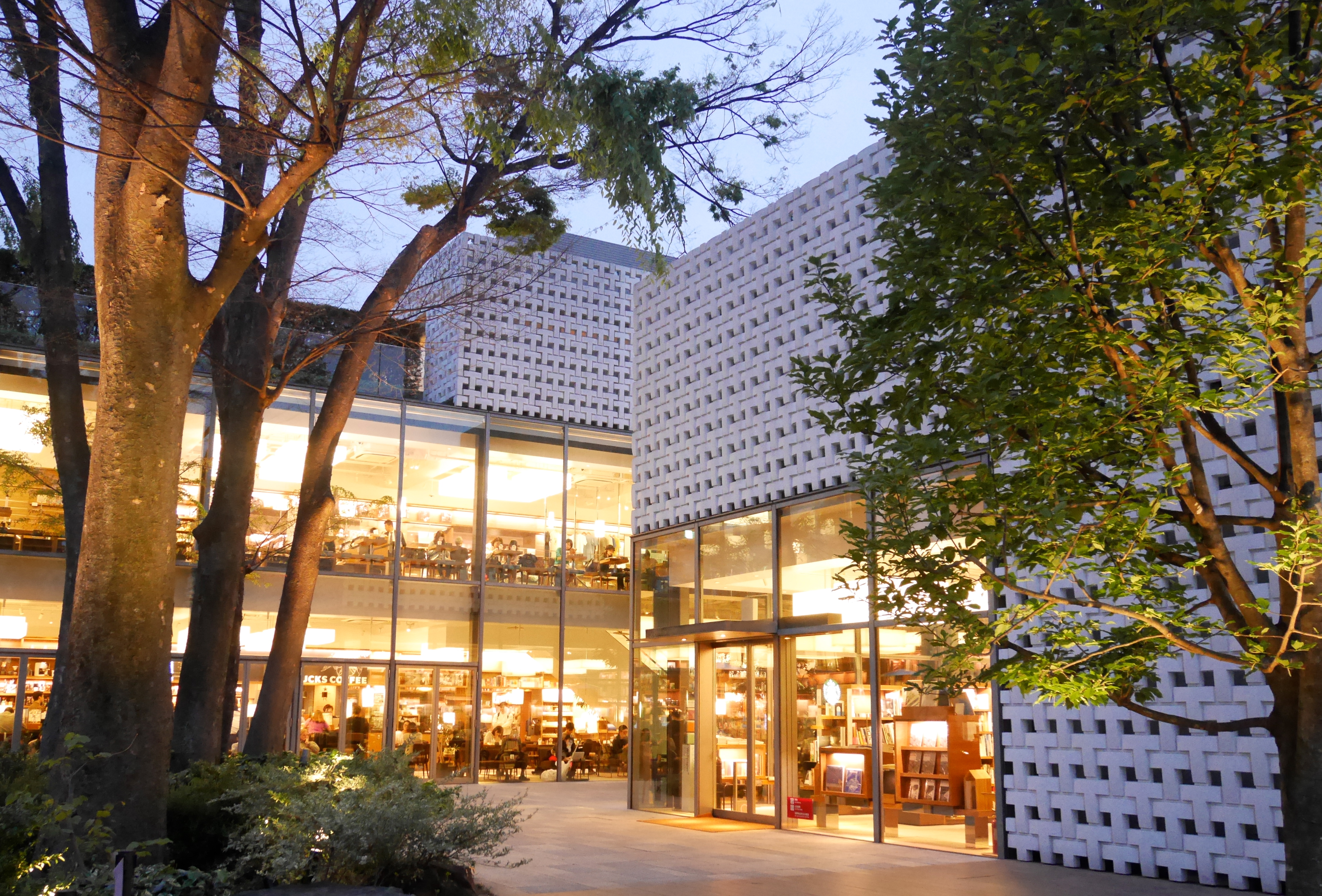
    Only a short bike ride from Shibuya is Daikanyama, a quiet local area where you’ll find Tokyo’s (maybe even the world’s) most beautiful bookstore, Tsutaya Books. I was seriously tempted to fill my suitcase with dozens of coffee table books and magazines. Nicknamed, “A Library in the Woods”, the building itself is gorgeous and reminiscent of California-style architecture. I couldn’t help gazing at the people inside as well, all impeccably dressed. Be sure to grab a drink on Log Road, similar to New York’s High Line, you’ll find freestanding bars, stores and cafés. My favourite was Spring Valley Brewery. A particularly local area, Daikanyama manages to feel quiet and community-focused in bustling Shibuya.

    P1040207P1040203P1040205

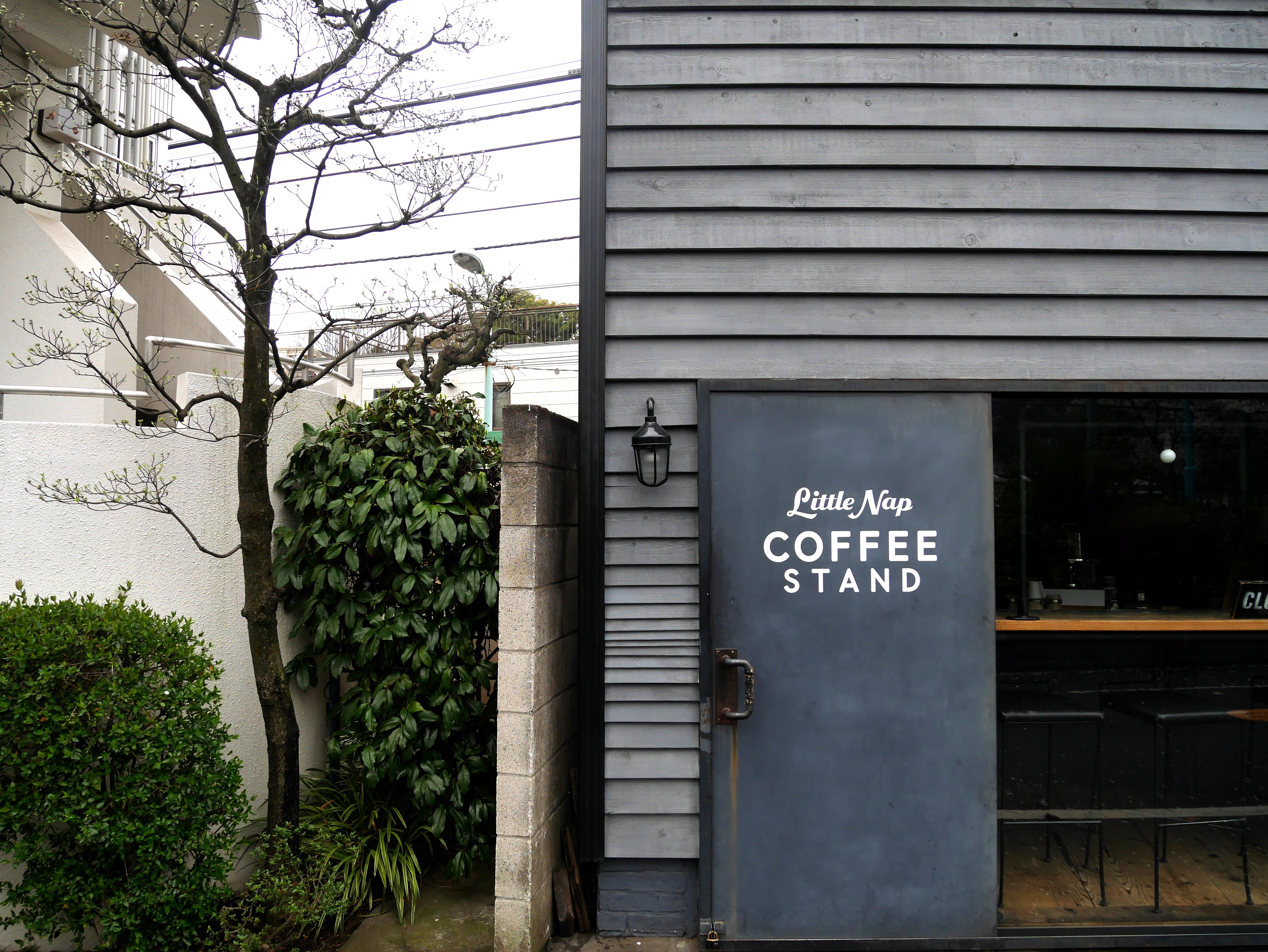
    My two favourite cafés in the area were Little Nap (pictured) and About Life Coffee Roasters. There’s a whole street of ramen restaurants right across from Shibuya Station, so you really can’t go wrong!

    P1020433

    P1020363

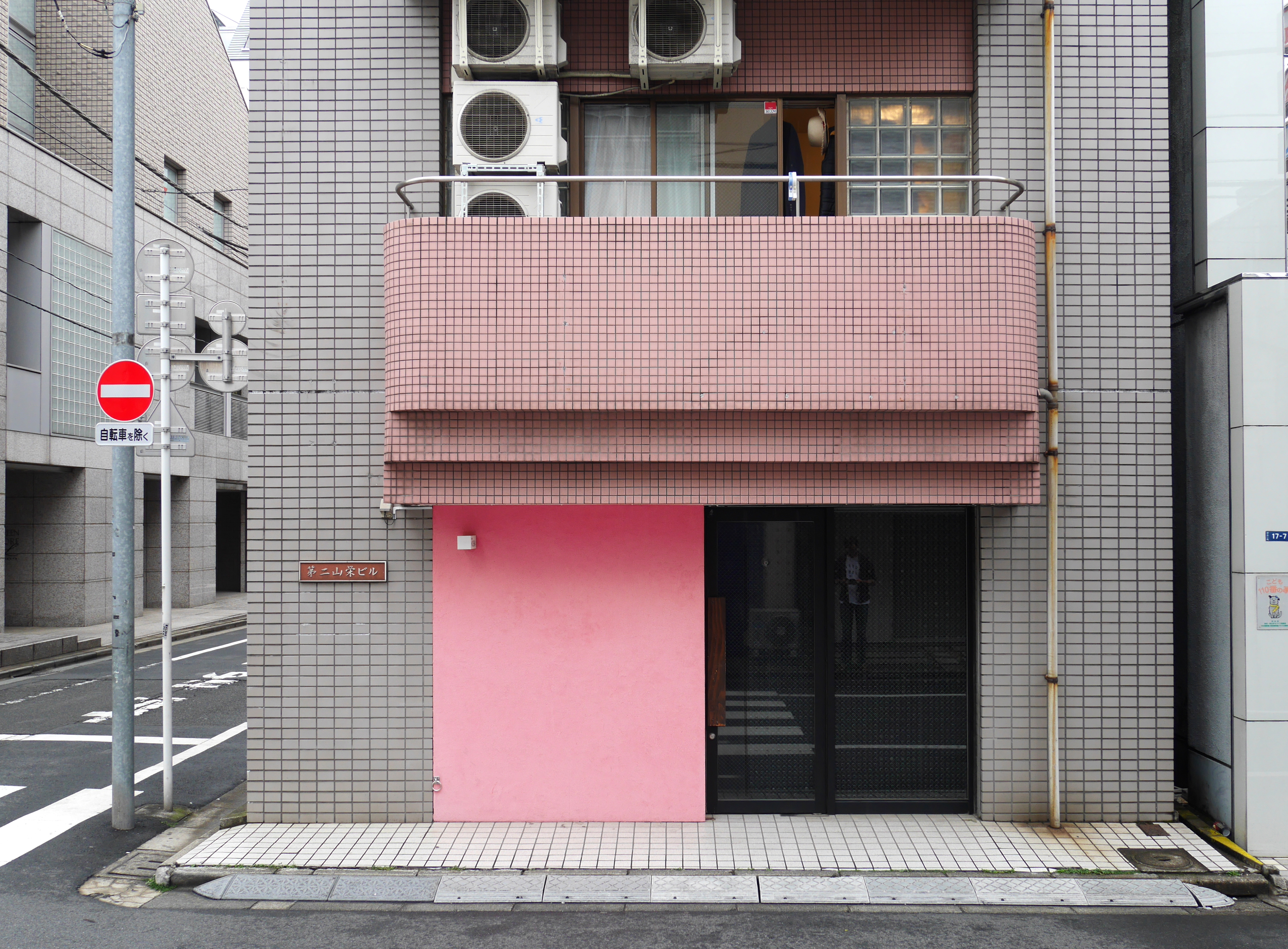
    One of the most remarkable things about Shibuya are the buildings’ facades. They are often discreet and perfectly tidy; yielding incredible shops, restaurants and cafés inside. Michelin-starred ramen shops sit beside aged apartment blocks and world-renown cafés (Kafe Mameya, for instance) are hidden deep within tiny alleyways. Shibuya is a labyrinth, an area that would take years to fully experience.

    P1020459

    P1020454

    P1020471

    P1020464

    P1020533

    This series reads more like a general guide because Tokyo is best spent wandering and exploring, rather than following a typical tourist agenda.


  • Tokyo’s Must-Visit Neighbourhoods: Harajuku

    Tokyo’s Must-Visit Neighbourhoods: Harajuku

    Shortly after catching the Narita Express to Shibuya Station, I soon realized we would barely scratch Tokyo’s surface. I quickly made the decision to plot out a few key neighbourhoods worth visiting during our short stay.  I knew we’d hit a few popular attractions, see beautiful temples and palaces, and spend a lot of time in parks gazing at cherry blossoms. Much to my delight, we managed to time our trip perfectly with sakura season!

    With only four days in Tokyo, I knew I’d have to be strategic about where I’d spend my time and Harajuku topped the list! If you’re heading to Tokyo, make sure to spend at least a few hours exploring this vibrant, fashionable district!

    During the day, much of Tokyo can feel quite pared back and greige, (beige and grey) but Harajuku is full of colour. There’s so much to take in and I felt like my senses were working overtime! We were lucky to spot a few Harajuku Girls (you know, like the ones from Gwen Stefani’s music videos!) If you’re on the hunt for any piece of clothing that is particularly trendy, Harajuku’s multitude of shops are your best bet! If you’re a makeup lover, Harajuku’s beauty shops are a great place to get inspired and learn about the latest makeup trends. You’ll see packs of school girls stocking up on coloured contacts and hair bows. If you’re visiting Harajuku on a Sunday, get ready for Lolita-land.

    I noticed that pastel hair is still all the rage and pink eyeshadow is making a comeback. Platform shoes are preferred as well as lace and full hemlines. Let’s just say, I’m even more tempted to dye my hair lavender now…

    P1040313

    P1040356P1040319

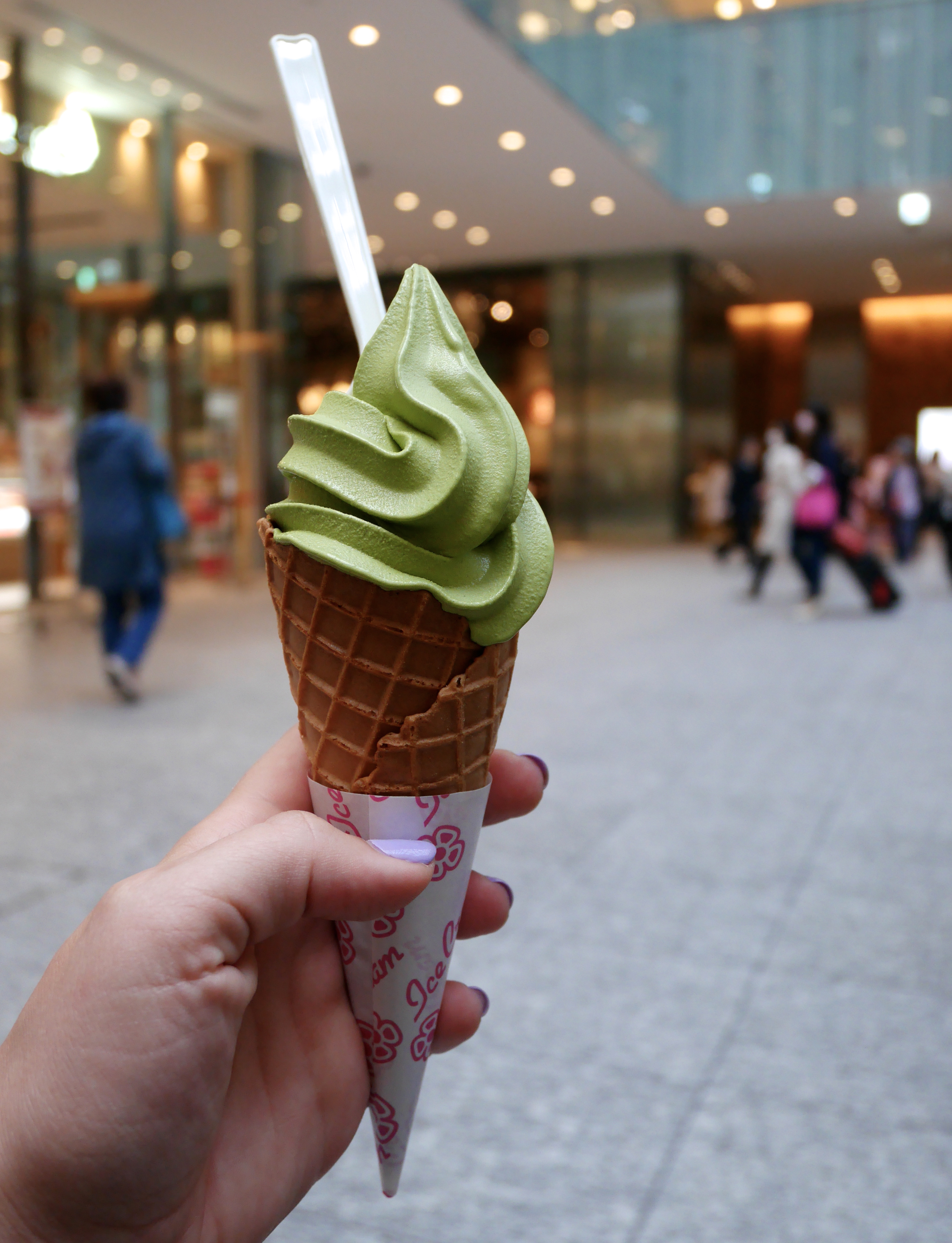
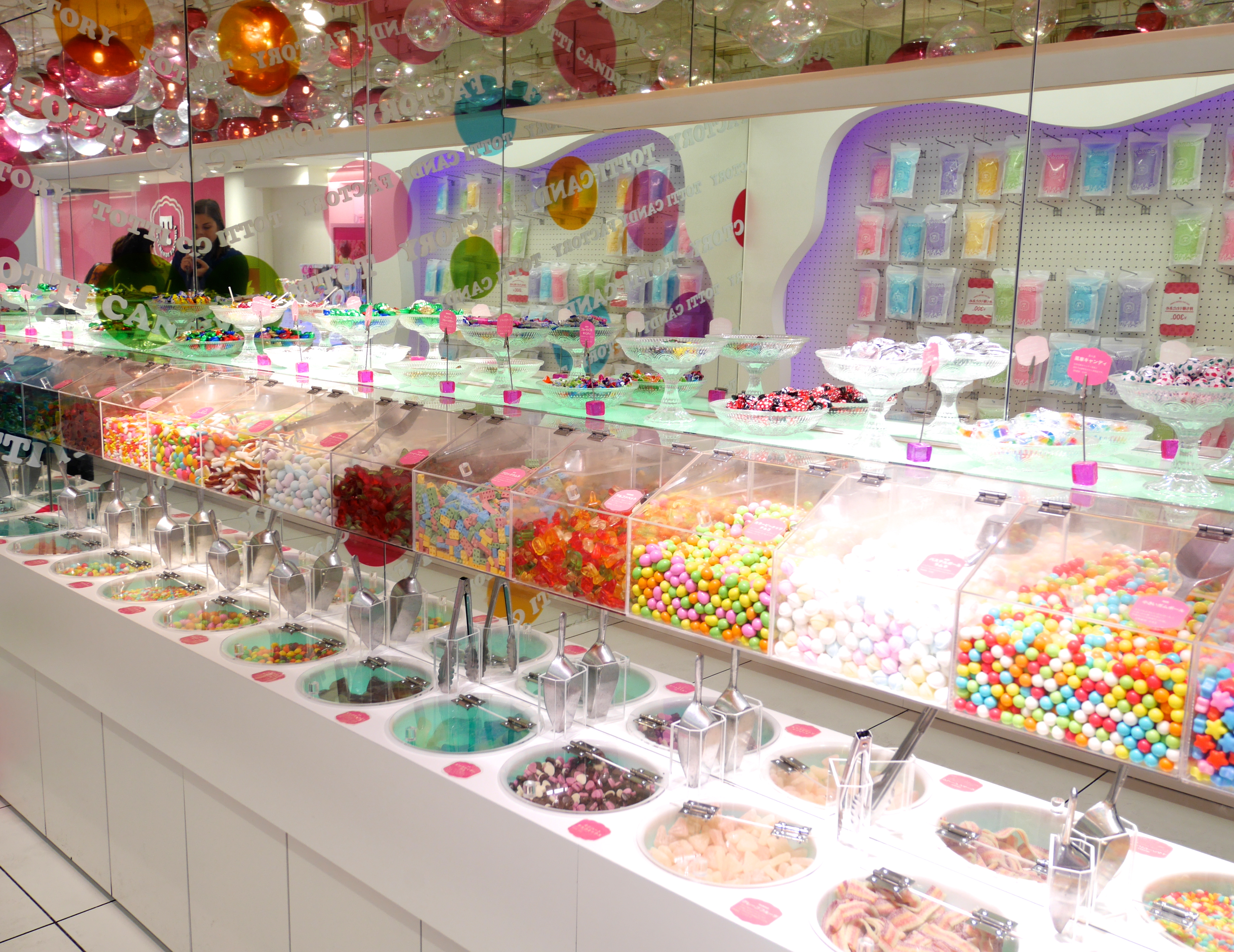
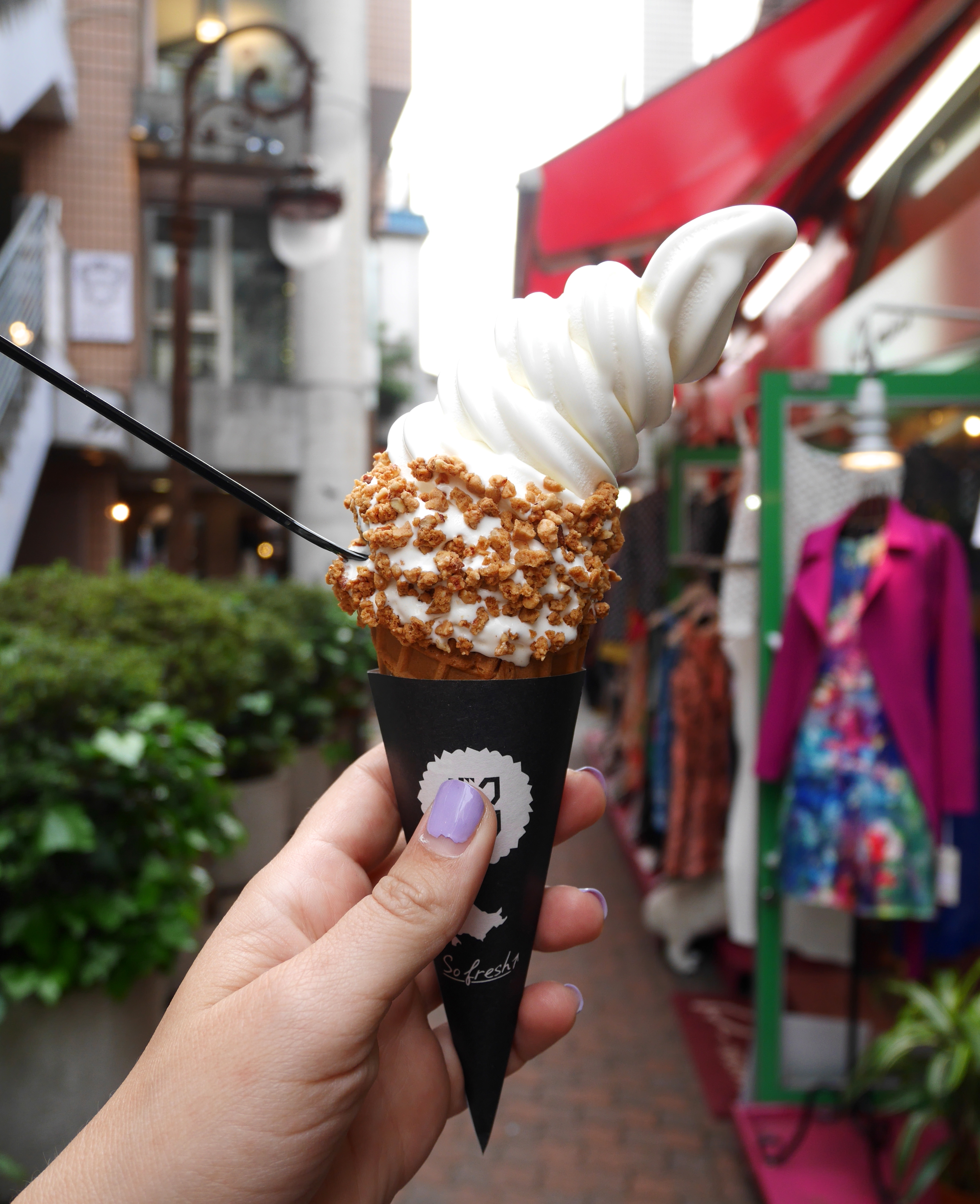
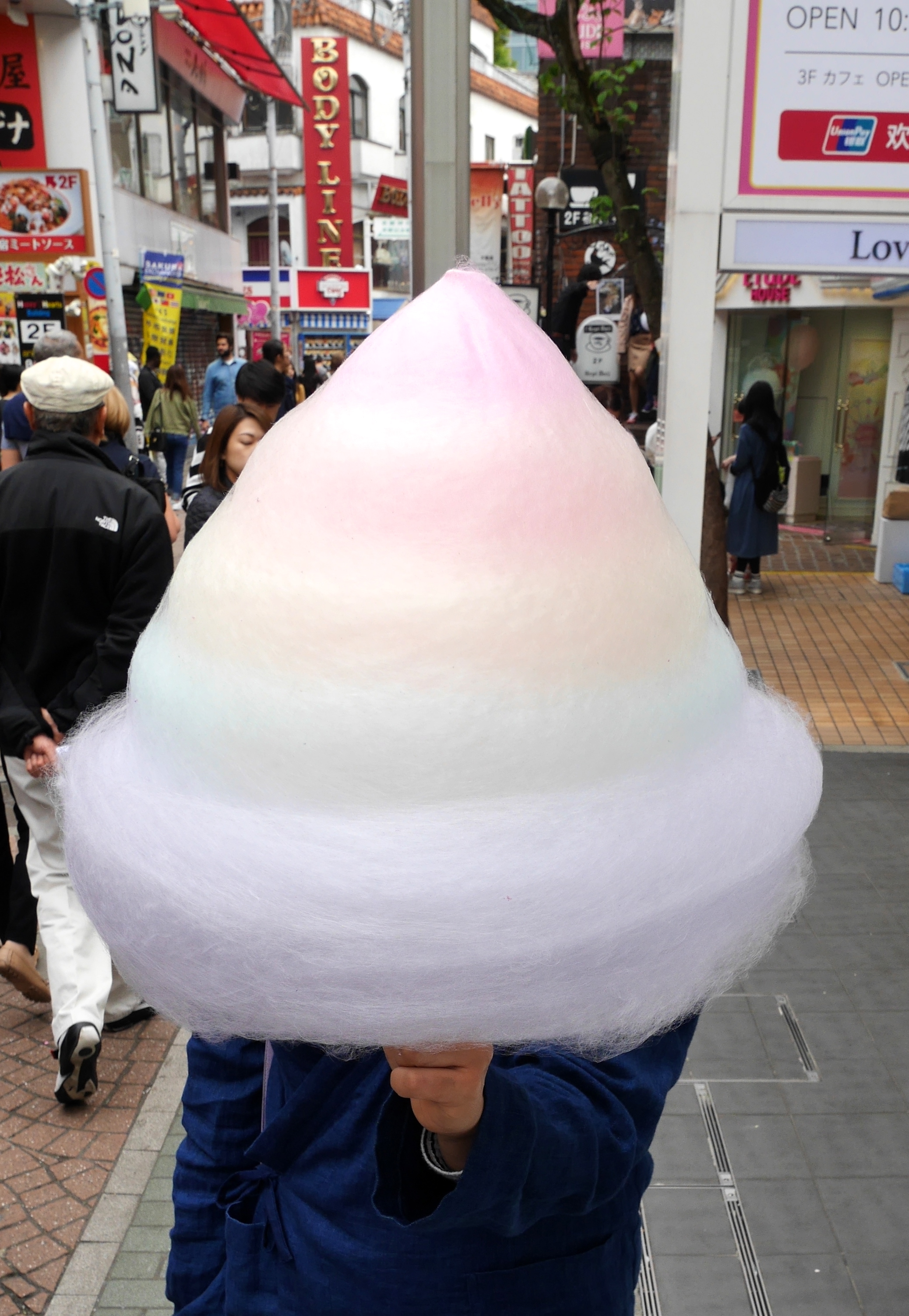
    You’ll need fuel for all the people-watching and shopping you’ll be doing. Try Tokyo’s best soft serve at Zaku Zaku or a cotton candy bigger than your head at Totti Candy Factory. We tried both and experienced an extreme sugar rush, which could only be counteracted with ramen. As we wandered around Harajuku in a dream-like trance, we even discovered a Cookie Time karaoke bar! All the way from Christchurch to Harajuku, I suppose.

    P1040387

    P1040381

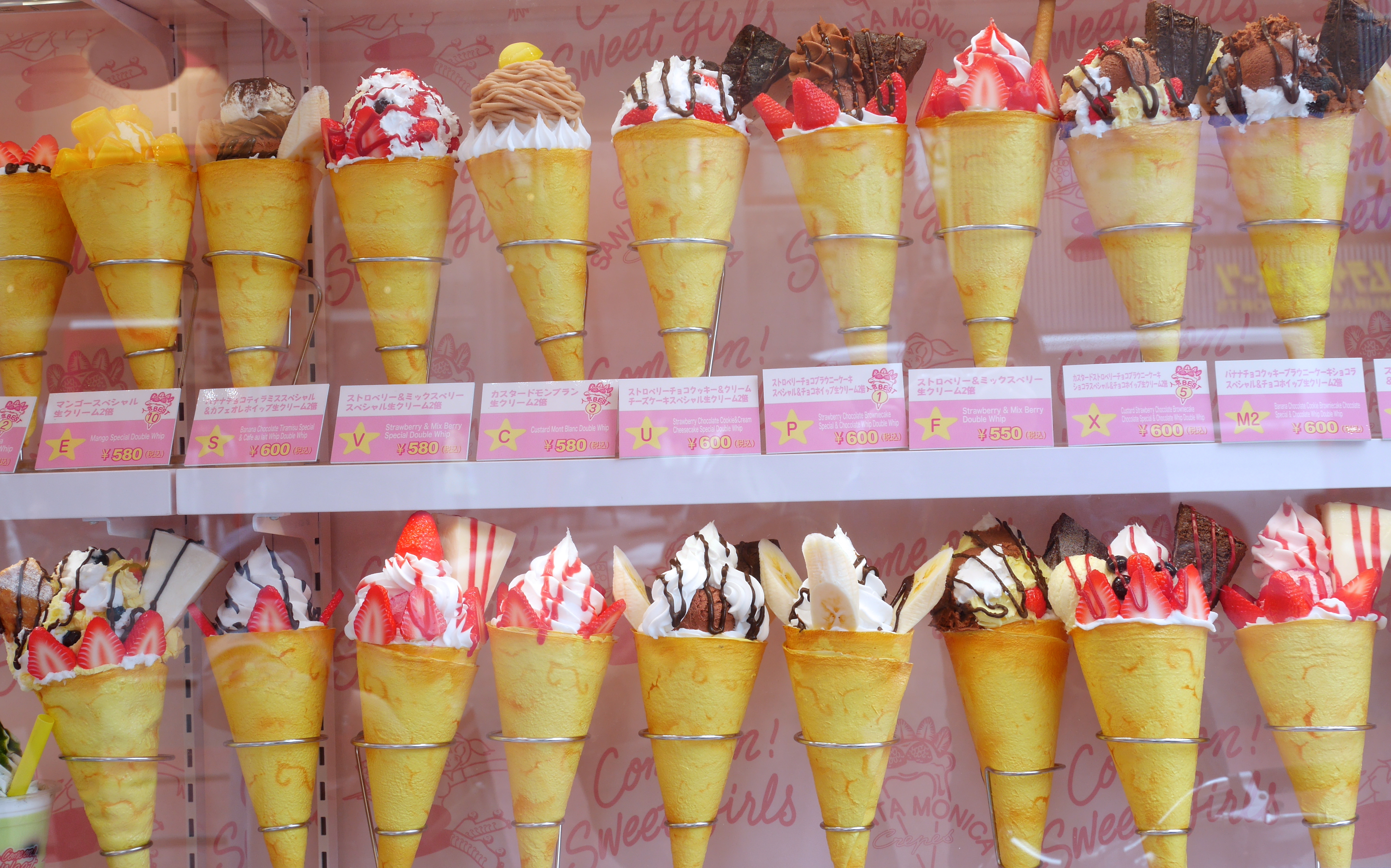
    The myriad of crepe stands in Harajuku are works of art. There are dozens upon dozens of stalls, so take your pick. You can order crepes of all variations, strawberry, blueberry, matcha, the list goes on. Some even feature whole slices of cake!

    P1040378

    Processed with VSCO with a6 preset

    P1040312

    P1040327

    P1040354

    P1040396

    Next up, I’ll be showcasing another favourite Tokyo neighbourhood. Can you guess which one?


  • What’s On In Waipara: The Food Farm

    What’s On In Waipara: The Food Farm

    Last weekend I met with Angela and Nick Clifford, who have been in the wine industry for twenty years. Since moving back to North Canterbury twelve years ago, they have unearthed the region’s potential: Waipara is unique in that “it’s perfectly positioned geographically and geologically to grow both food and wine.”

    The Food Farm came to fruition when the pair (who also run wine label, Tongue In Groove) realised the importance food and wine played in their daily lives. While New Zealand wineries often exist separately from food farms, The Cliffords have taken an old world philosophy.

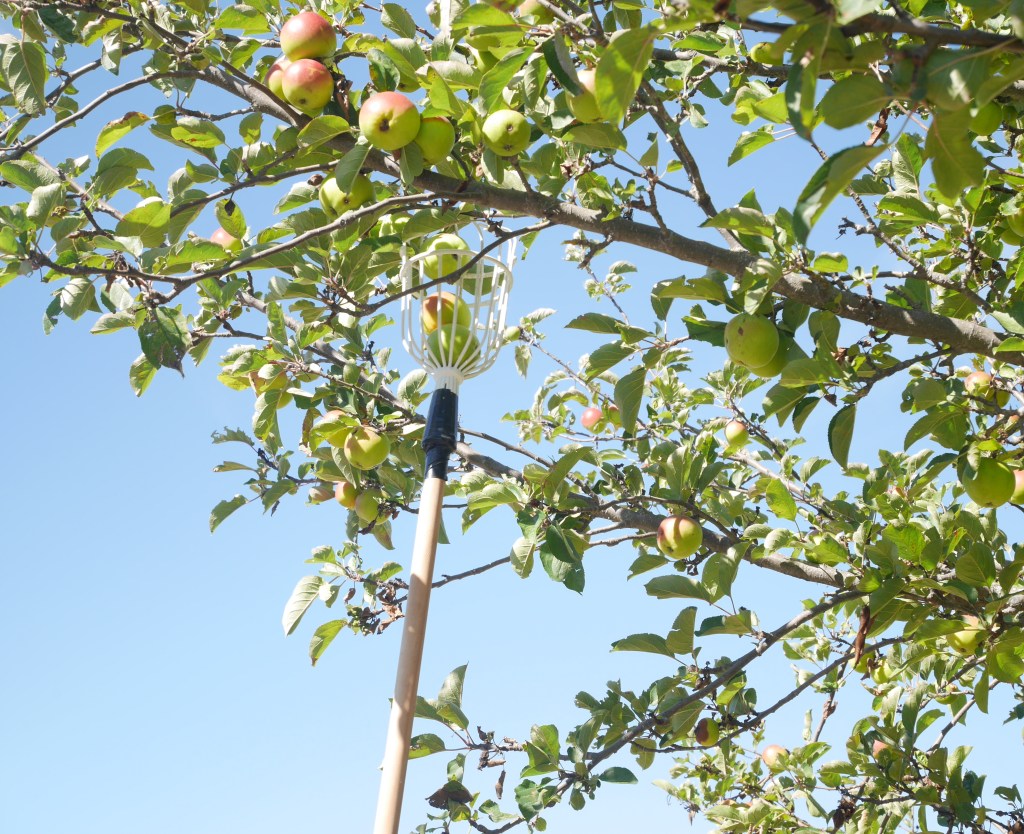
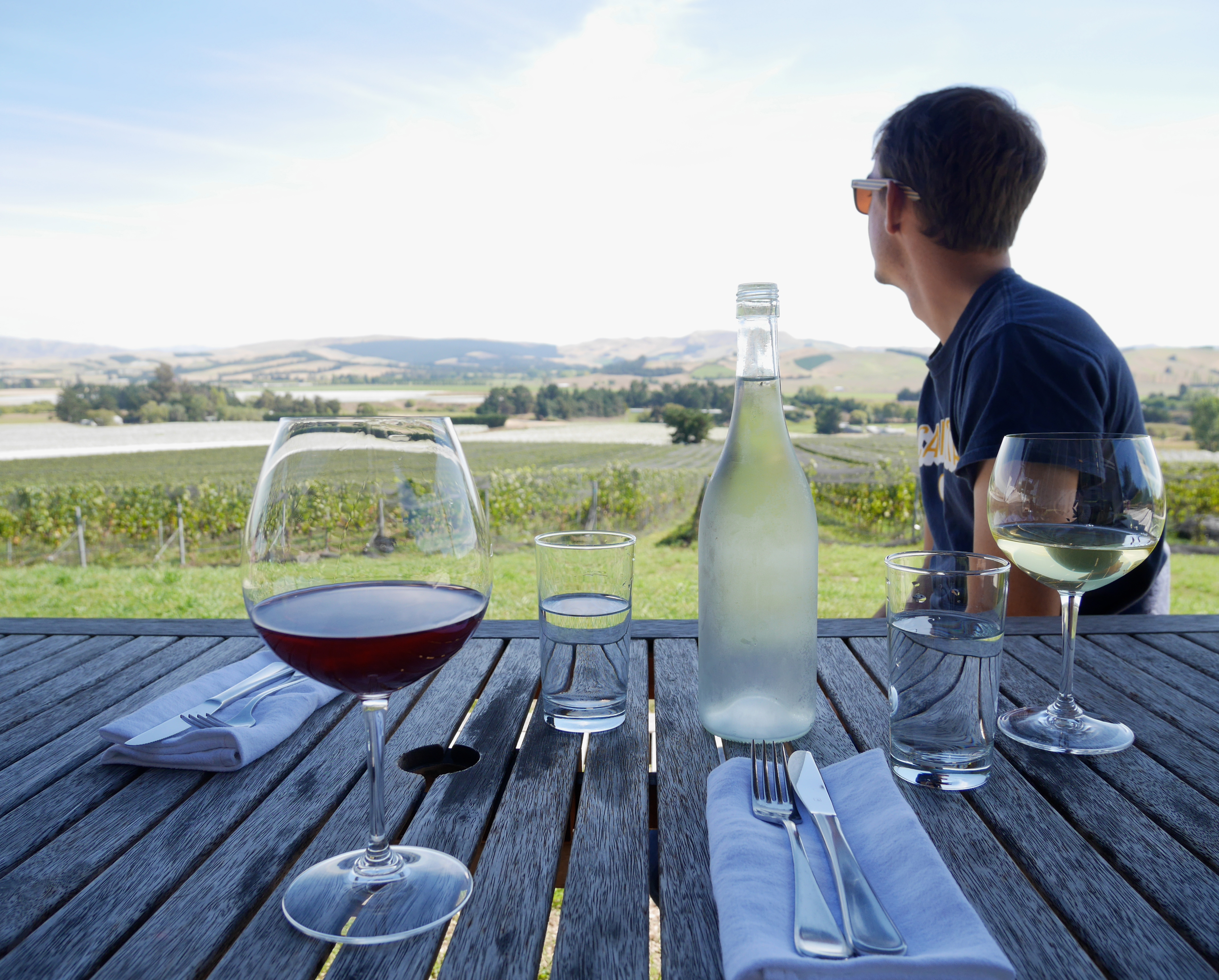
    Waipara’s microclimate produces a vast range of wild foods. When we visit, on a sunny Sunday, it’s nearly wild mushroom season. Foraging tours take place on a weekly basis and no two tours are exactly alike. Tours include either mushrooming, learning more about wild greens and weeds, fruit picking or sea shore wandering. Visit New Zealand’s only truffière, which produces four different types of truffles. Afterwards, famished foragers sit down for lunch and wine tasting at Black Estate Vineyard. The award-winning vineyard is pared back and true to the region. The delicious food is made from local produce and pairs perfectly with the organic, biodynamic wine.

    P1010185

    P1010181

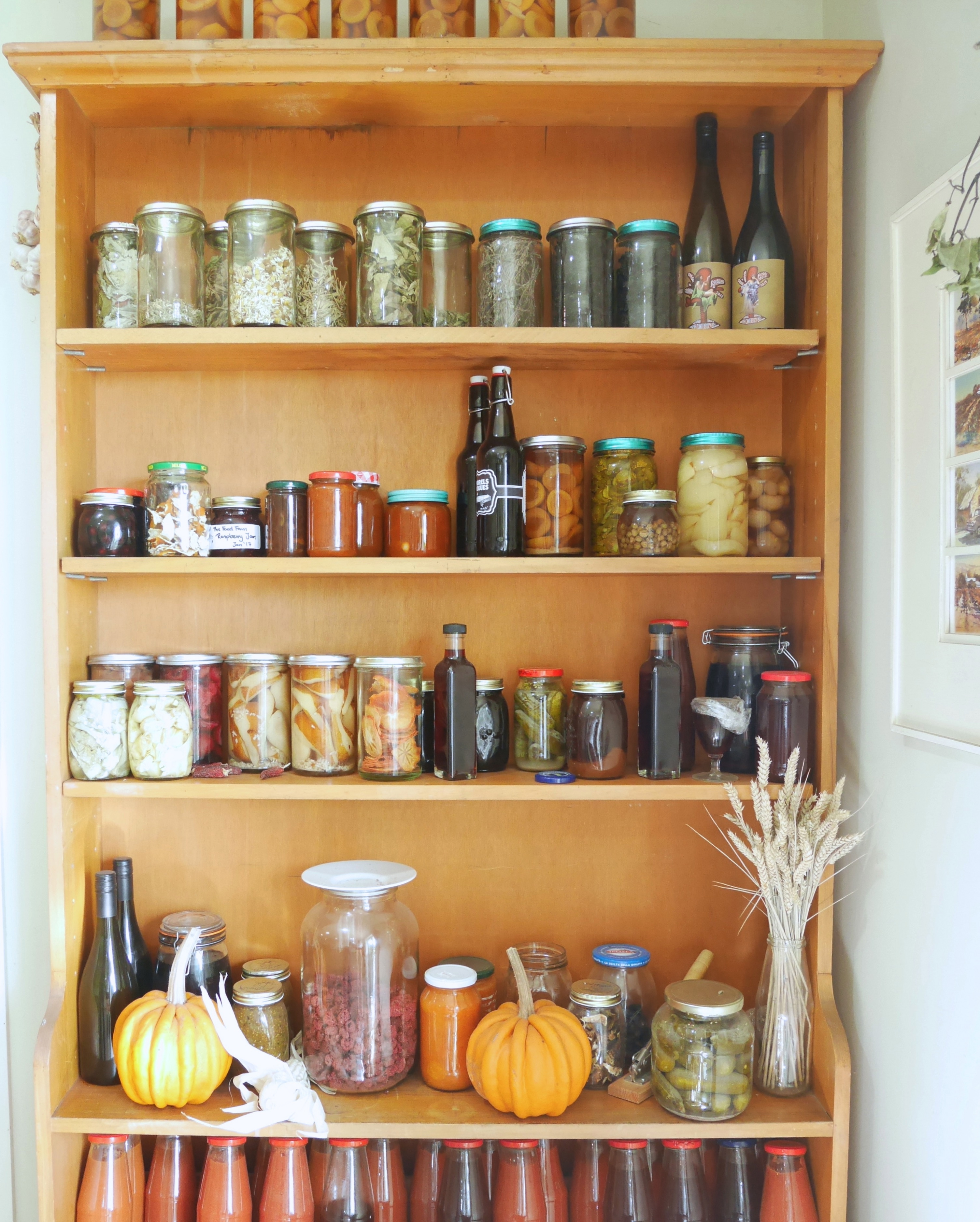
    The Food Farm is based on a permaculture system. A type of organic agriculture, permaculture looks at creating systems to ensure the things you use most often are the closest to your house. In farming, it considers how animals sit alongside plants.

    The Clifford Family is continually re-discovering what makes their land and this region so special. Sharing this knowledge with others is a huge part of what they do and their tours are a must for foodies visiting Canterbury.

    Thank you for inviting me to experience a taste of what The Food Farm has to offer.

    image1 (19)

    P1010130

    P1010135

    P1010148

    P1010137

    P1010162

    P1010159

    This post was created in partnership with Koru Enterprises, but all thoughts and opinions are my own. Explore their range of tours here.

  • What’s On In Waipara: Pure Pod

    What’s On In Waipara: Pure Pod

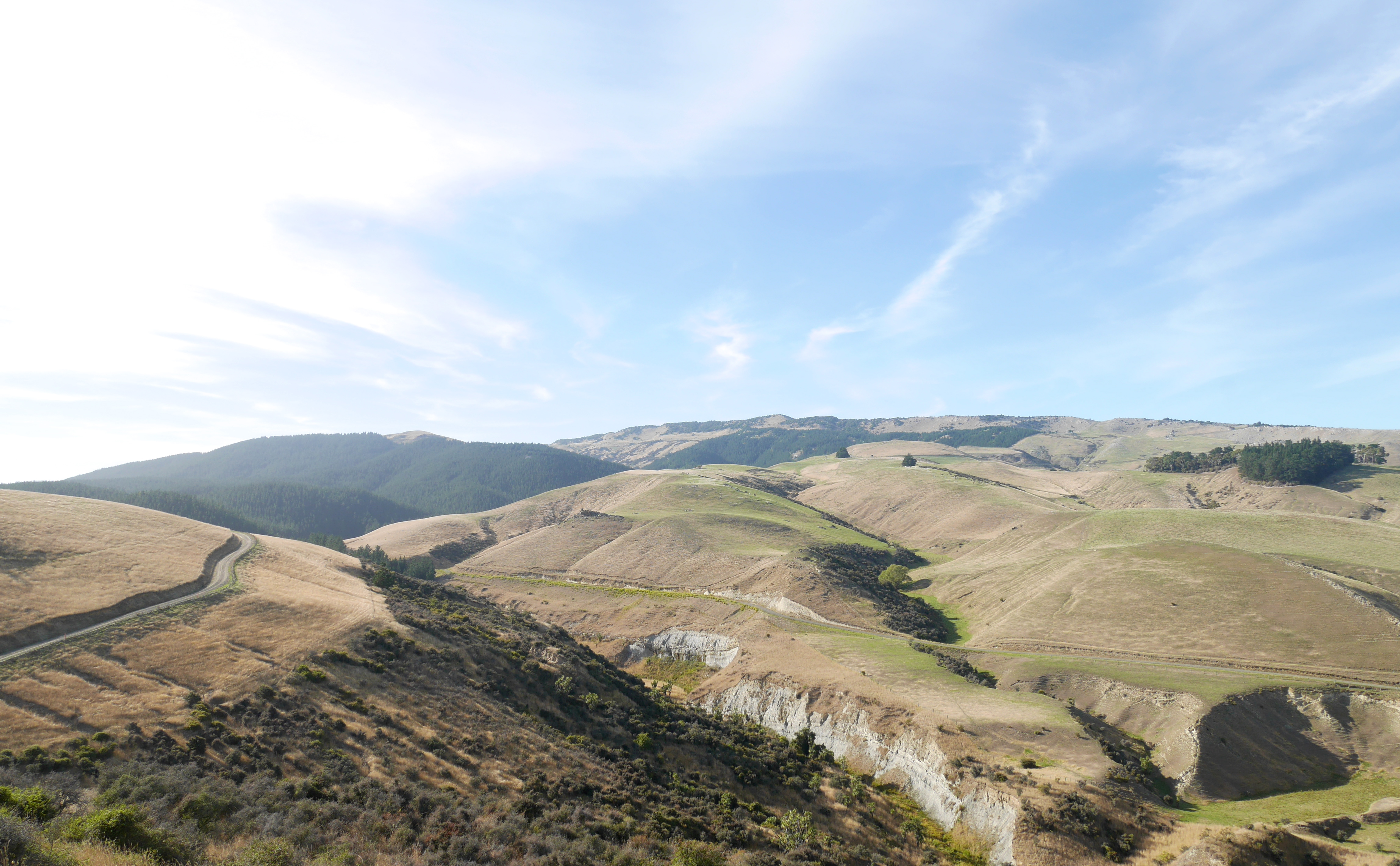
    For those hoping to escape the chaos and construction of Christchurch, Waipara offers ample opportunities for solace. A relatively new wine region, Waipara’s microclimate produces some of New Zealand’s best wine and food.

    P1010080

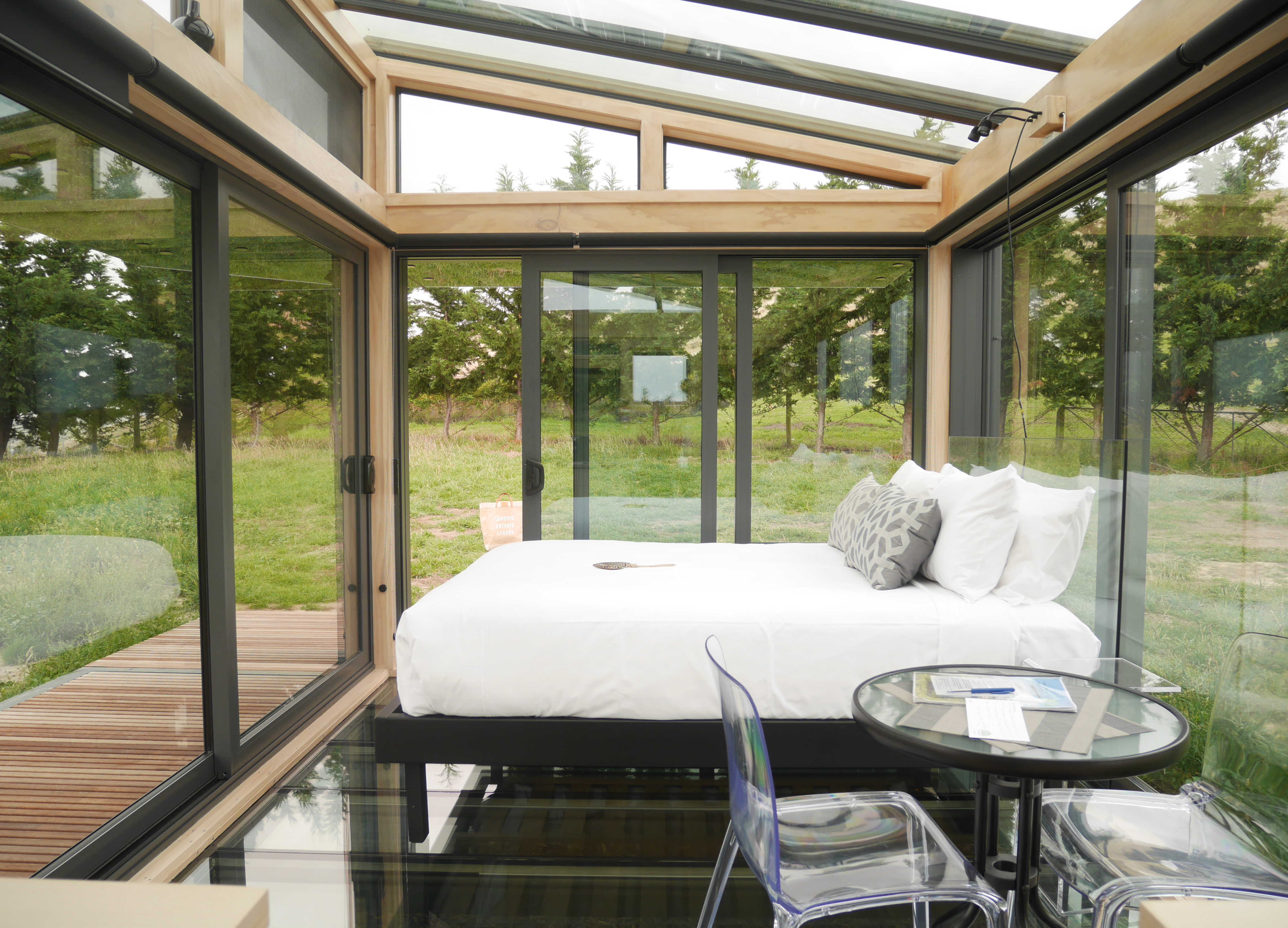
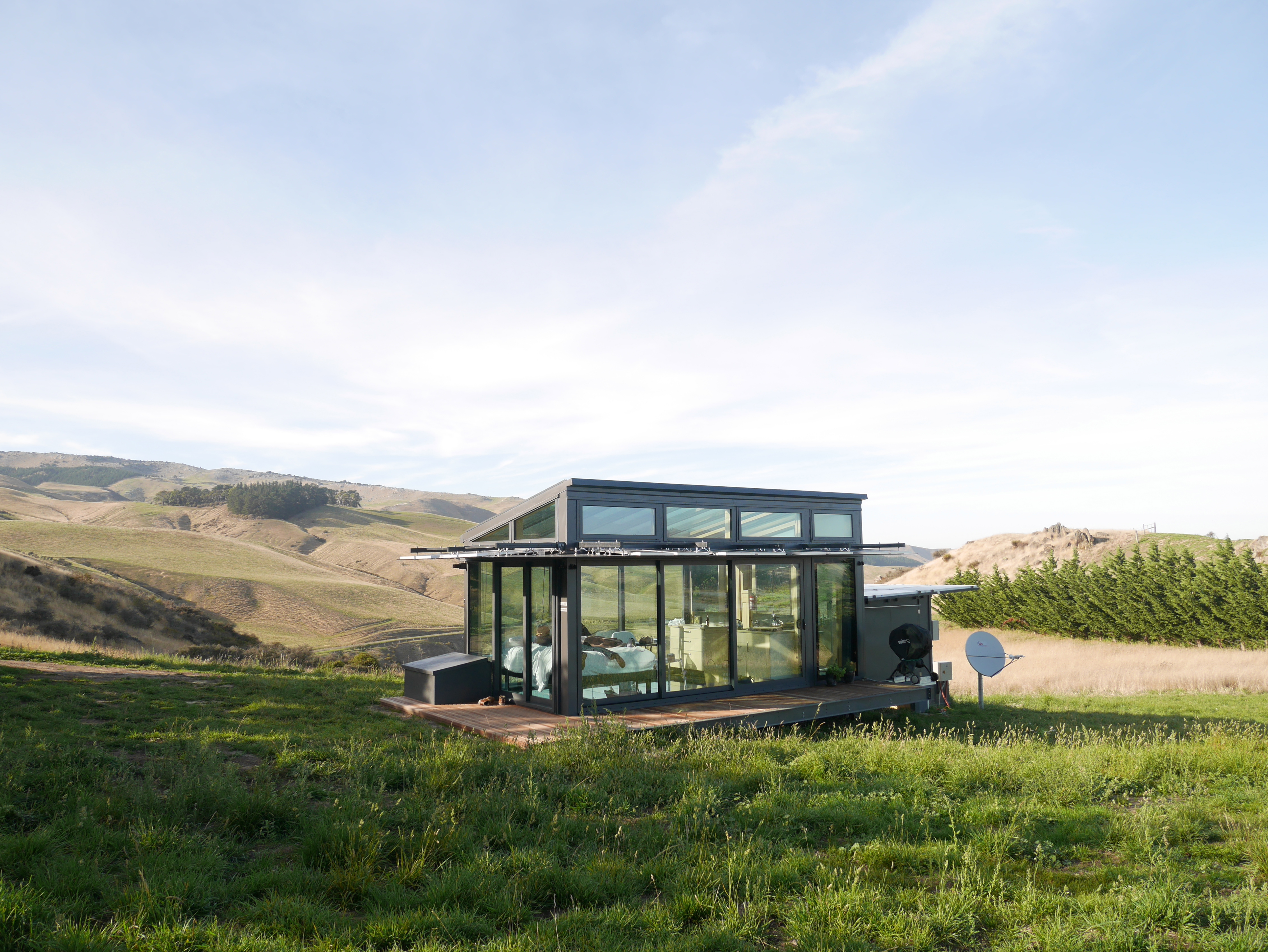
    After a particularly busy week, Nick and I were ready to spend quality time doing nothing, and where better than at a Pure Pod? If you haven’t yet heard of the Pure Pod concept, they are eco-cabins made almost entirely from glass! The roof, walls, and floors are completely transparent, allowing guests to engage more closely with their environment. It was incredible sleeping under the moon and the stars; surreal standing in the shower, looking down at the earth below.

    Accessing the newest Greystone Winery Pure Pod is an adventure in itself with directions emailed to us only days before our booking. After turning onto the Greystone property and Cellar Door, we drove along a windy, unpaved road before parking the car and began a mini hike to the secluded cabin. Hidden deep within the Waipara Valley, the panoramic views from the Pod are resplendent. We watched the sunset while making dinner, fully immersed in our surroundings. Without wifi beckoning, I was able to read a book that had been on my reading list for months and Nick snuck in a leisurely nap before dinner.

    P1000866
    P1000862

    Celebrating our eight-year anniversary (crazy, right?) I wanted to surprise Nick with a mini-getaway that would allow us time together without the usual distractions. Fortunately, without wifi or the typical diversions of home, we wiled away the afternoon, reading, talking and dreaming.

    P1000904

    P1010048.JPG

    P1000903

    P1010071

    P1010010


  • What’s On In Waipara: NCWFF

    What’s On In Waipara: NCWFF

    This is the first instalment in a three-part series chronicling all the cool things happening in Waipara this month. Having only ventured to Waipara once before, I had always vowed to explore more of its offerings.

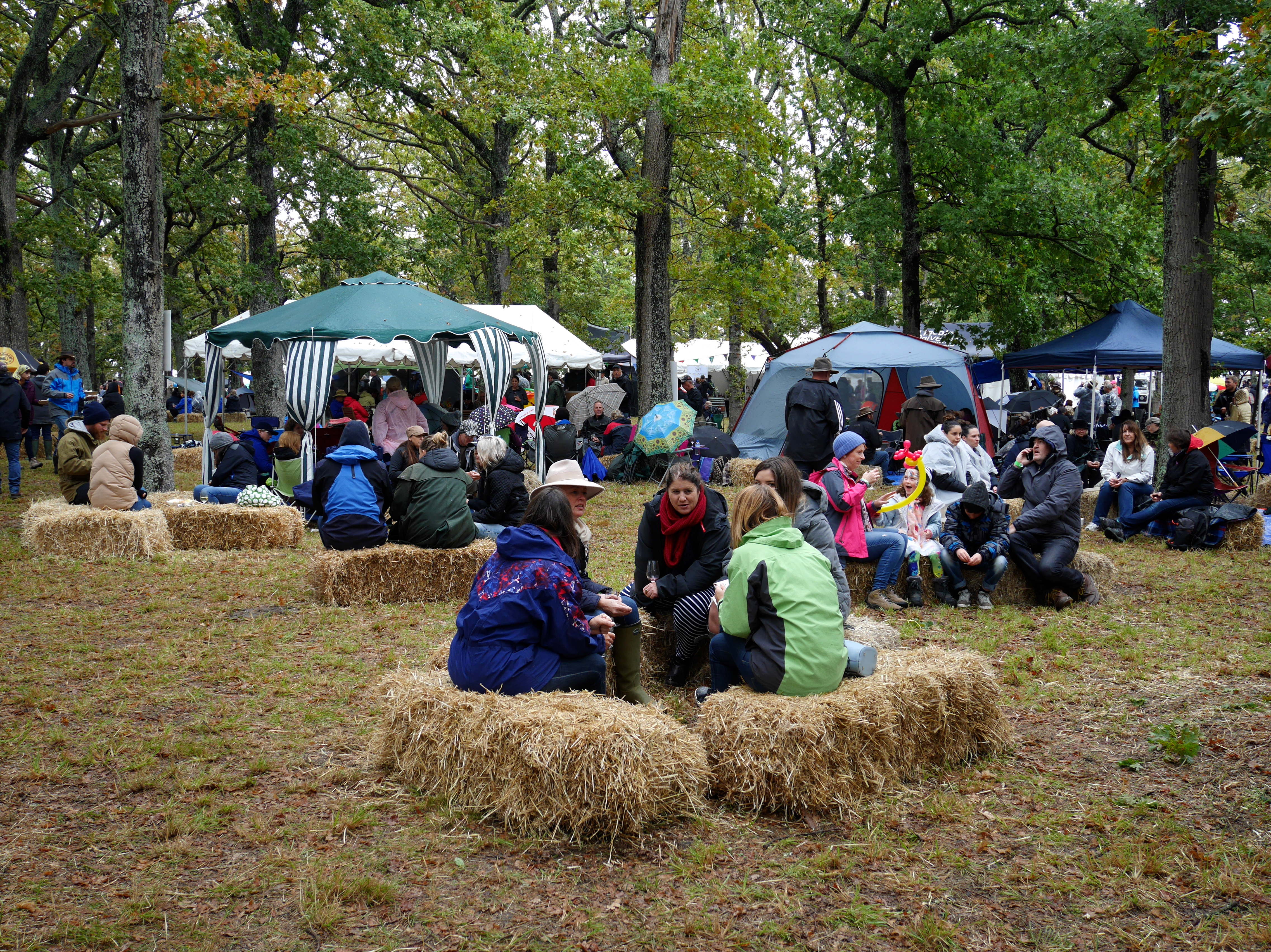
    As a local food and wine lover, I couldn’t resist a day trip to the North Canterbury Wine & Food Festival. Showcasing the region’s best food and wine, NCWFF is an annual event that draws crowds from North Canterbury, Christchurch and beyond. Even the monotonous rain didn’t dampen the mood. Festival goers showed up in gumboots, swanndri jackets to ward off the rain and enjoy the atmosphere.

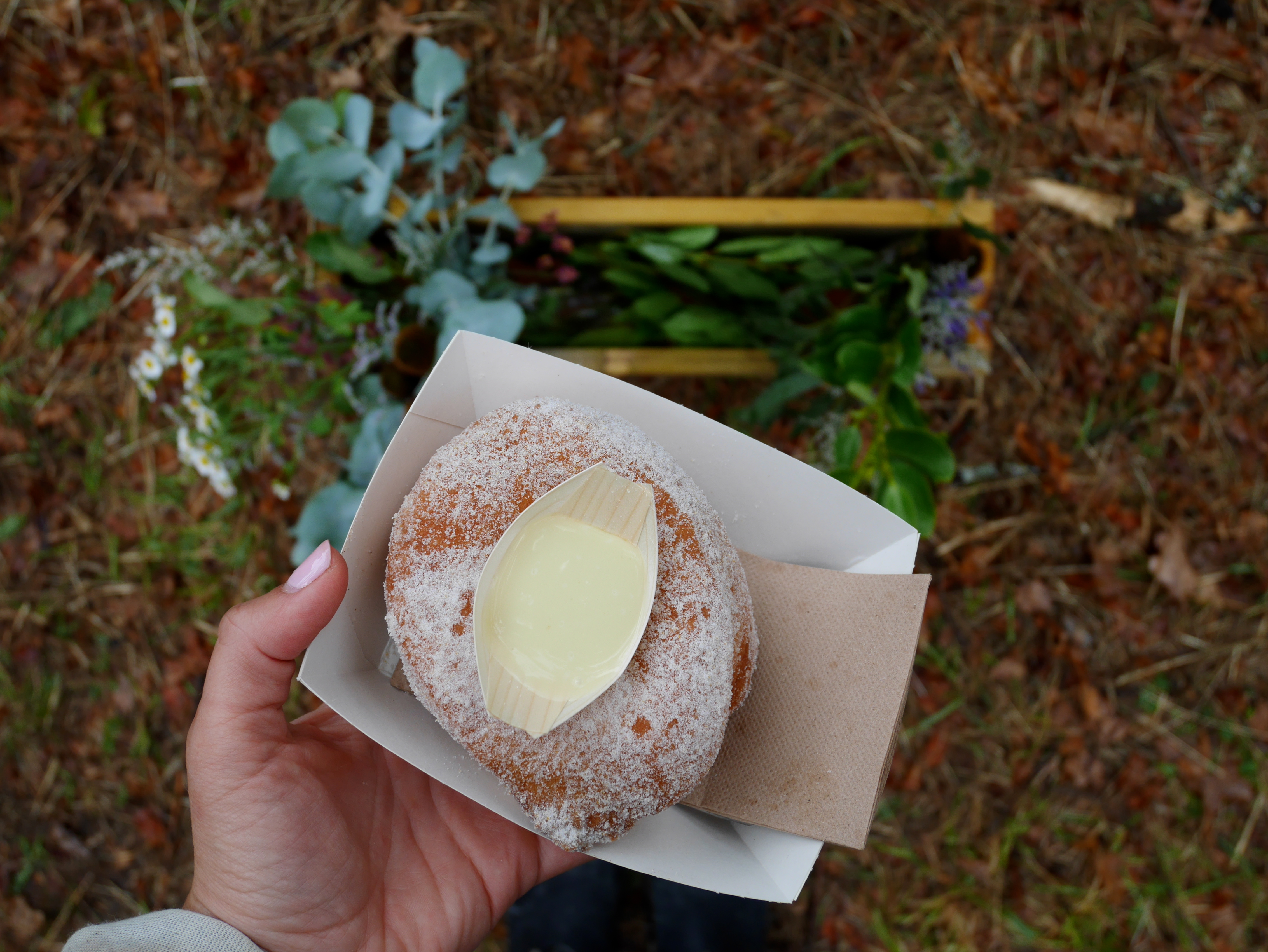
    Thankfully Nick offered to drive, so I could indulge in a few different wines. I adored the rosé from Mt. Beautiful and the Damsteep Pinot Noir from Black Estate. Cakes by Anna created rosé-infused cakes for the occasion (!) and Akaroa’s own, Sweet and Savage served champagne and elderflower poached apricot doughnuts from a shiny silver shiny 1959 airstream caravan! Even Tom Hison of Auckland’s Orphans Kitchen was in attendance, serving pies with venison sourced from his sister’s North Canterbury farm. It was perfect pie weather, after all!

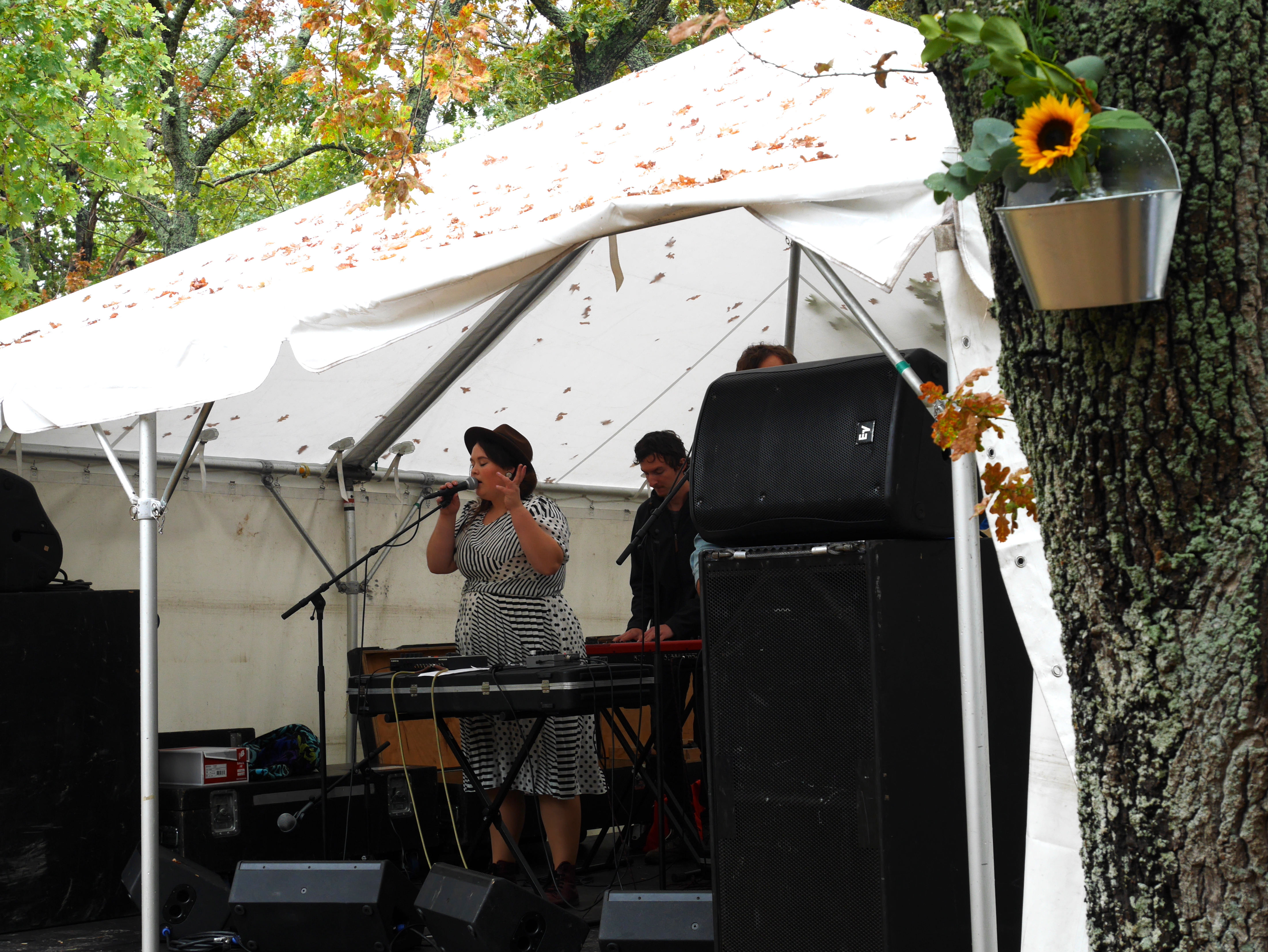
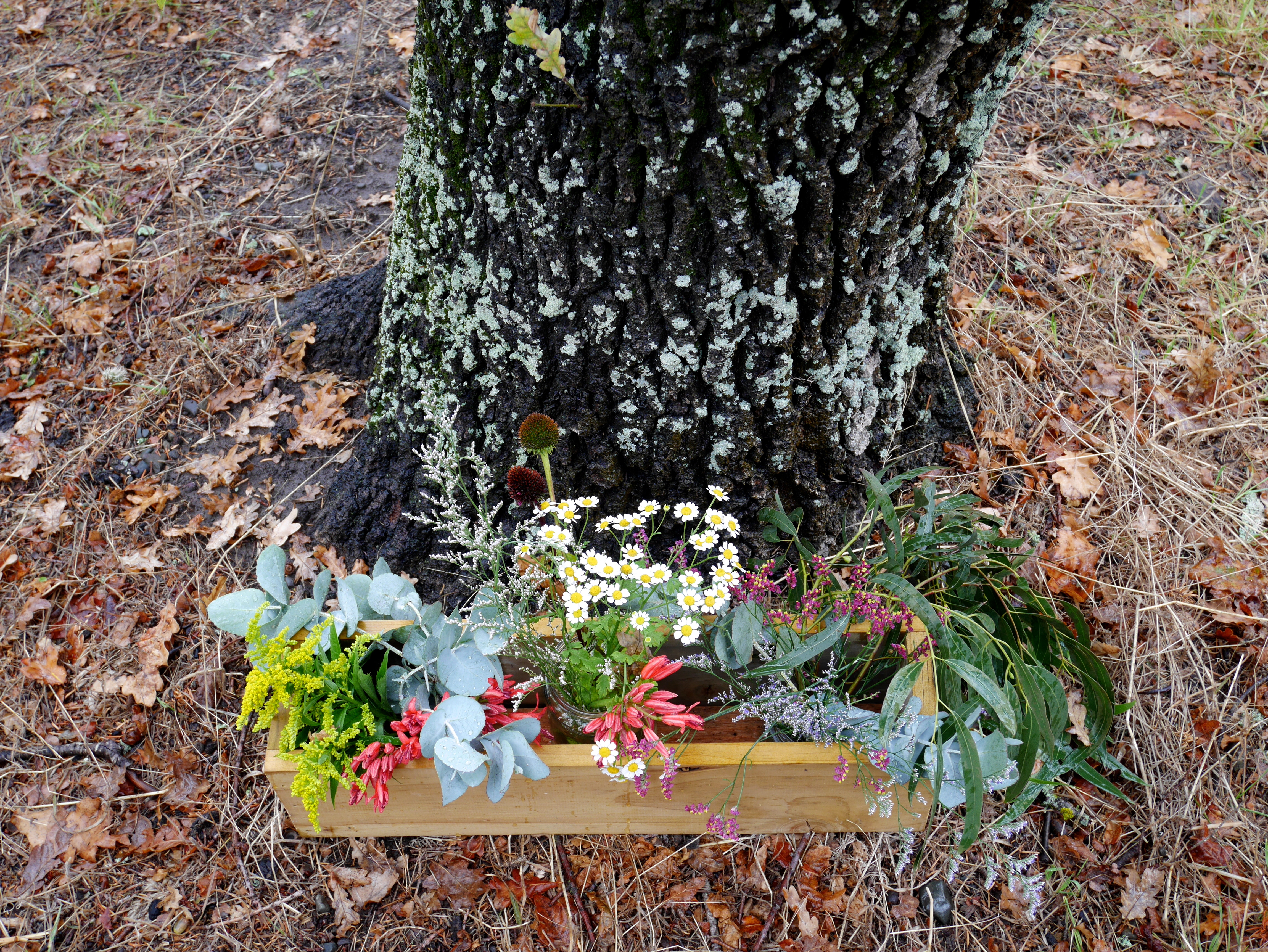
    Glenmark Domain was rustically decorated with foraged flowers and bales of hay. The acorn trees provided the perfect backdrop for the festivities. An hour’s drive north of Christchurch, we welcomed Waipara’s slower pace and rural charms. Live entertainment included The Swan Sisters and Goldonies as well as retro-infused DJ Willy Styles. 

    I could go on and on, but instead I’ll leave you with some photos from today! Stay tuned for next Sunday’s instalment, which will feature a brand new Waipara attraction.

    P1000841

    P1000827

    P1000815

    P1000820

    P1000825

    P1000791

    P1000806

    P1000793

    P1000800


  • Nostalgia Festival

    Nostalgia Festival

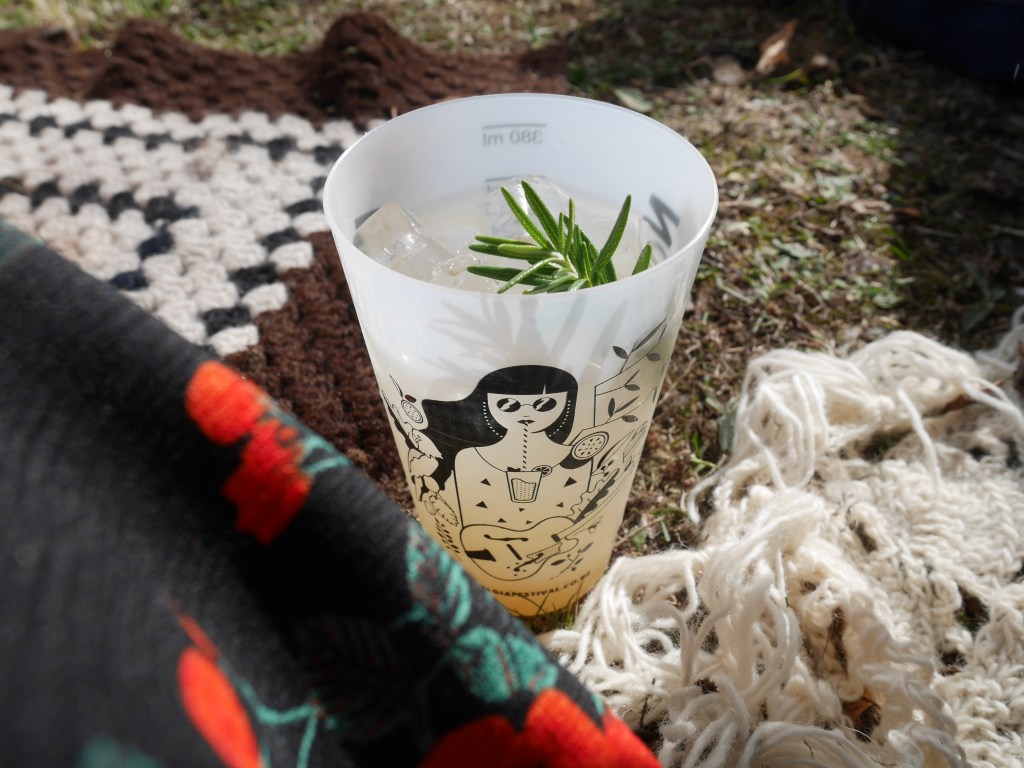
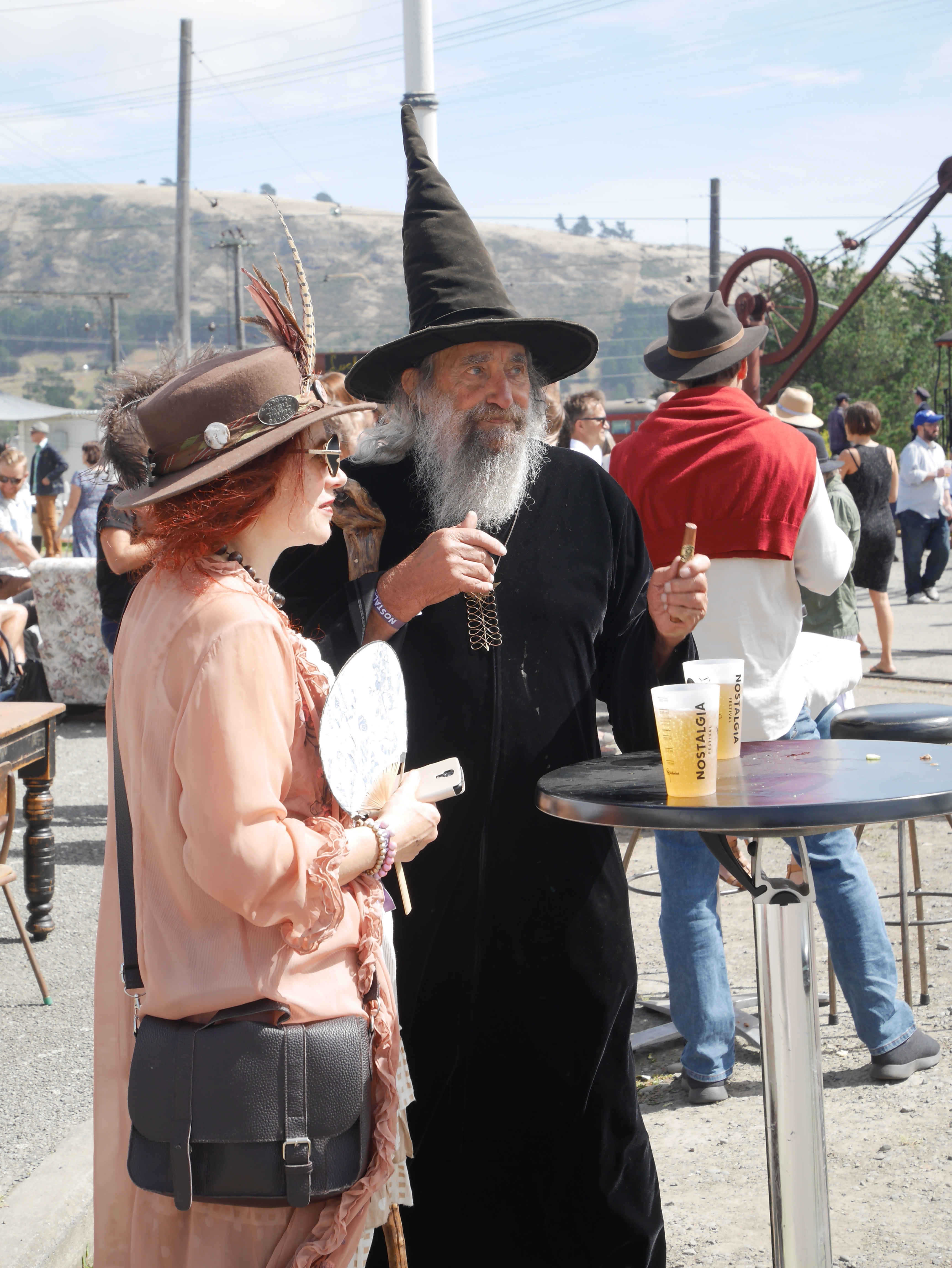
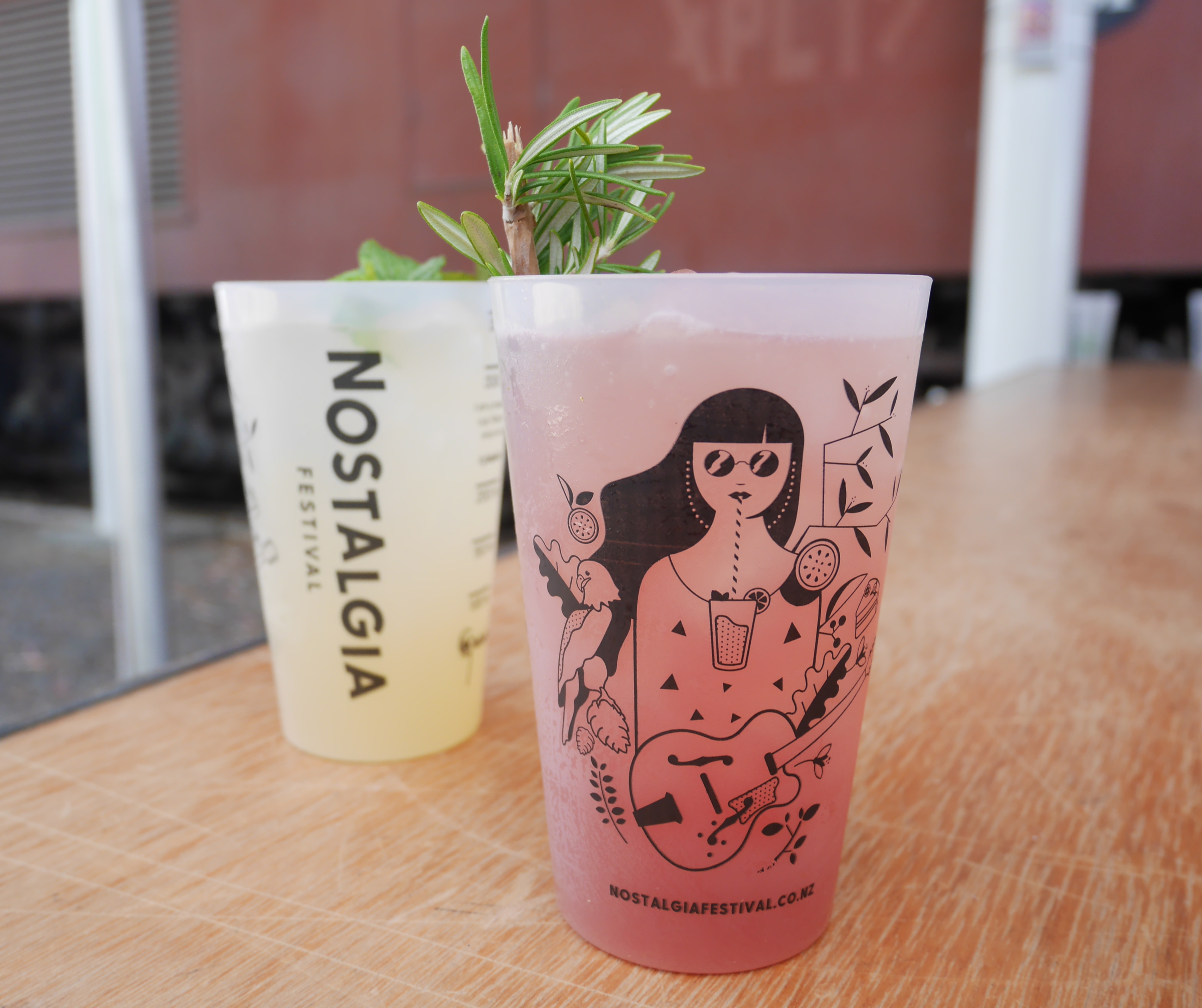
    Combining the talents of the best local musicians, chefs, baristas, mixologists and florists, Nostalgia is unlike any festival I’ve ever attended. Held at Ferrymead Heritage Park, every detail of the day was carefully considered and flawlessly executed. I’ve attended my fair share of festivals in North America, yet was completely blown away by the atmosphere at Christchurch’s own festival. The experience reaffirmed my belief that Christchurch is a truly special place to live and work.

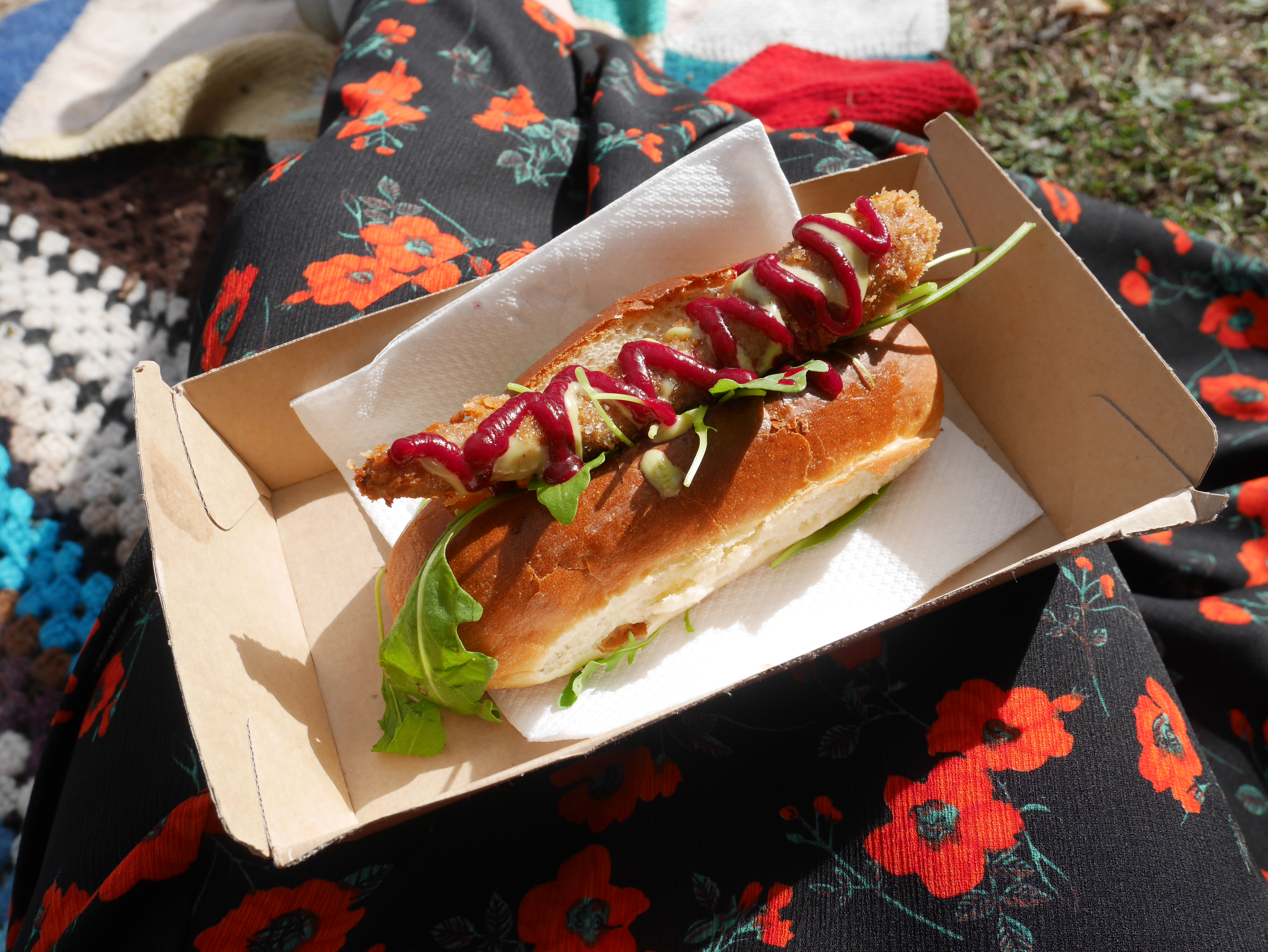
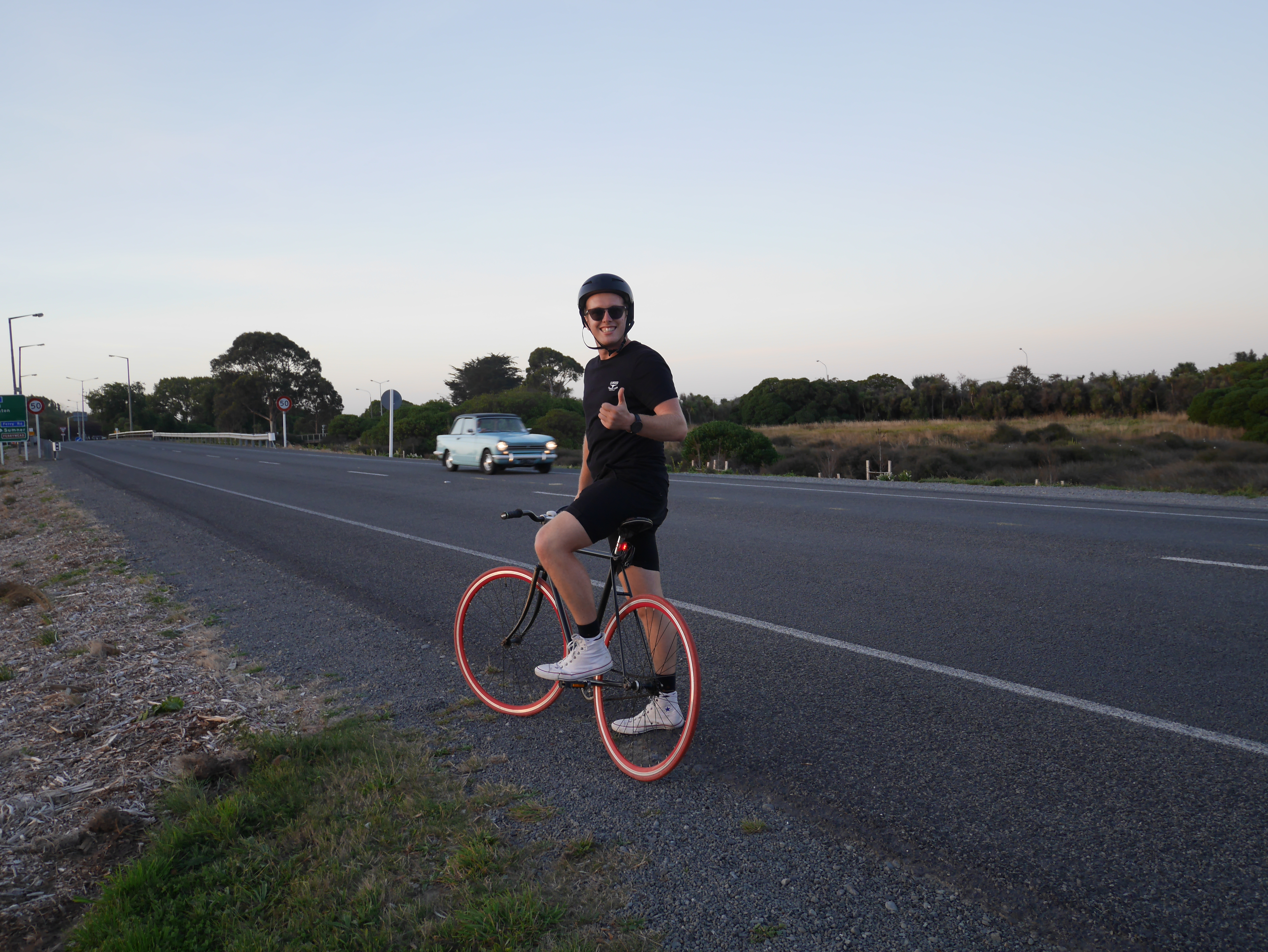
    With so many enticing food options (Vagabond Chefs, Sage, Heisenburger, Cakes by Anna, Grizzly Bagel and Gatherings by Alex Davies to name a few) festival-goers were spoiled for choice. I was especially fond of the slow roll, which kicked off at Action Bicycle Club and offered a sustainable and enjoyable way to get to the festival. p1000669
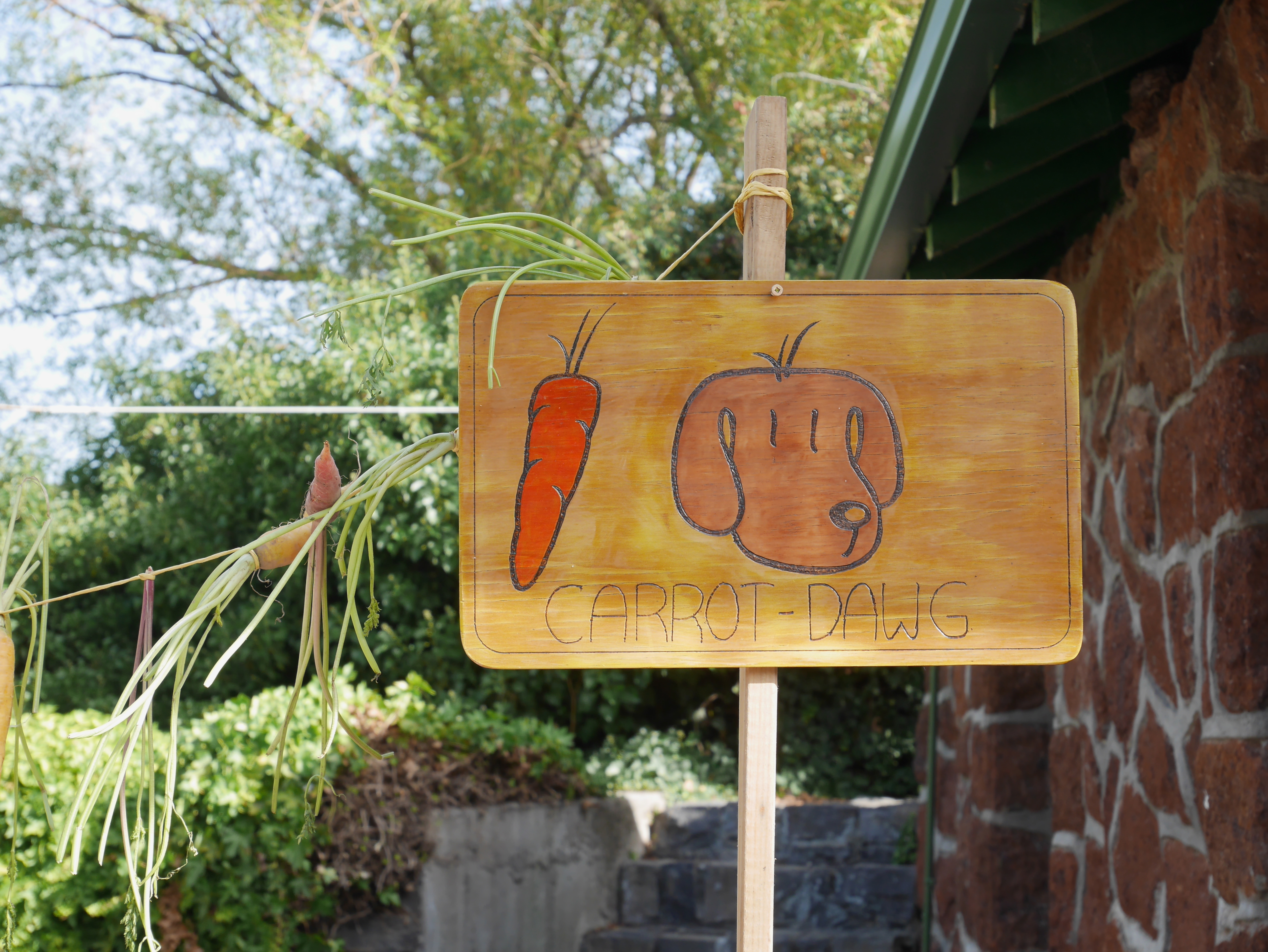
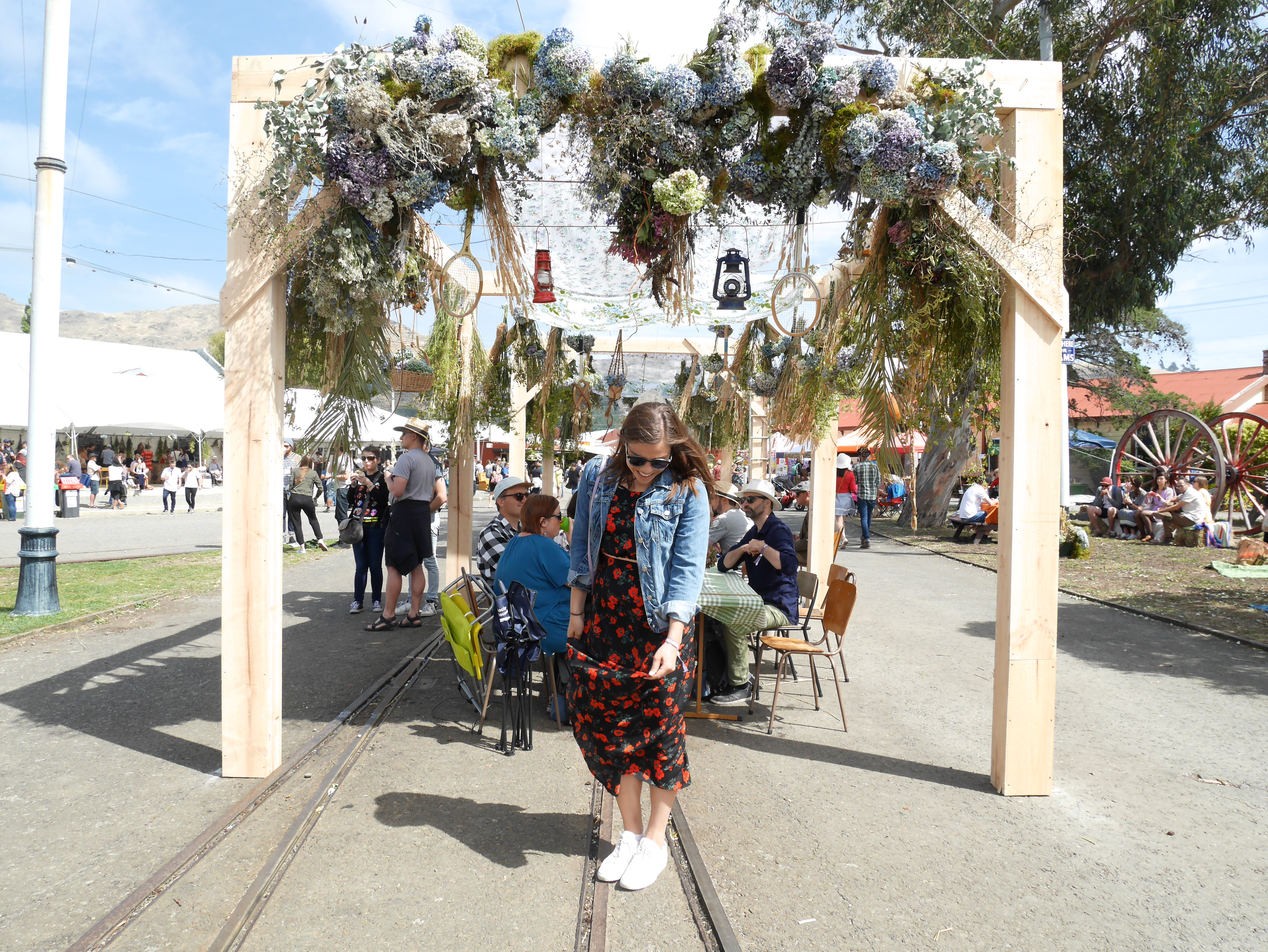
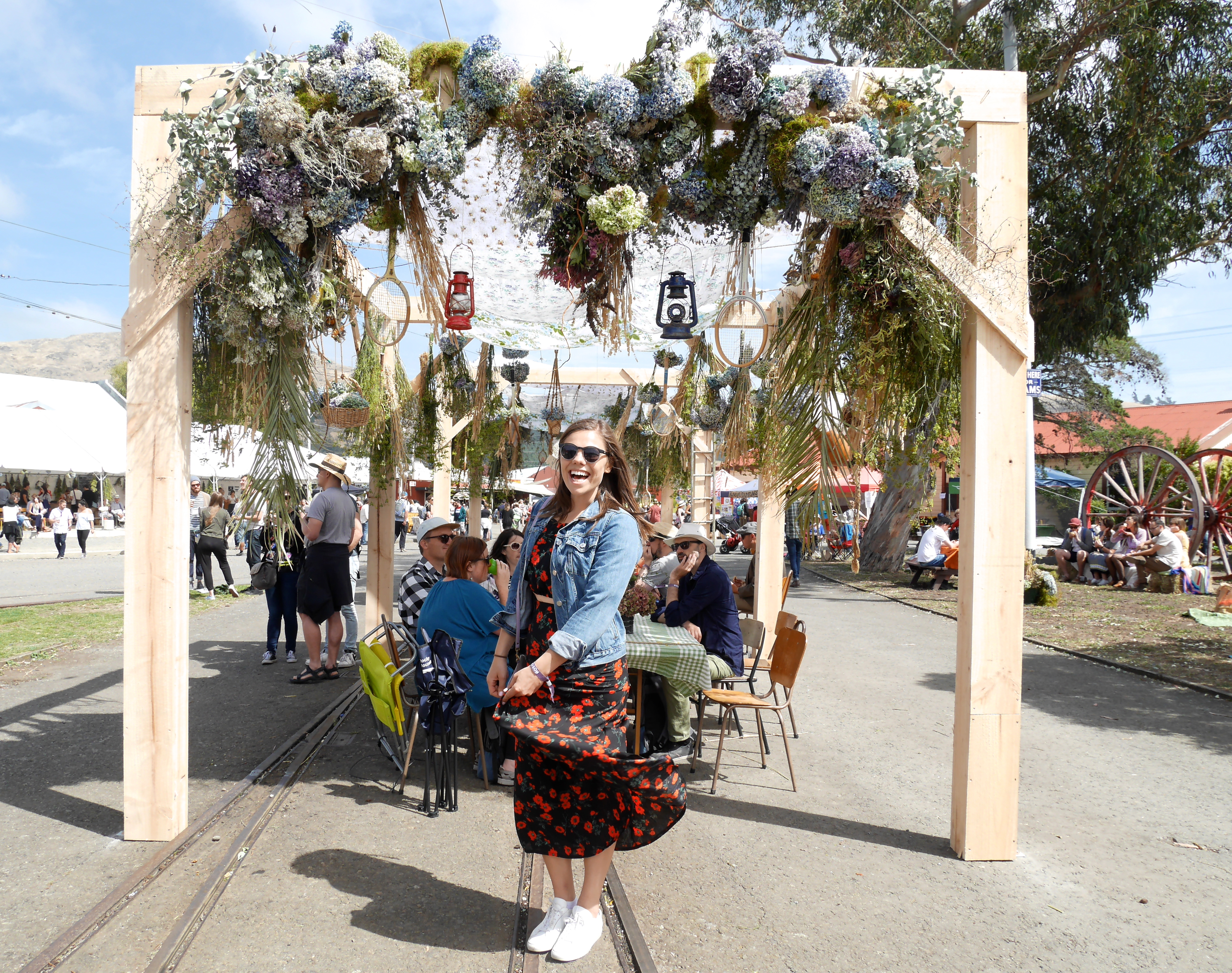
    Decor for the day fit perfectly with the mood and theme of the festival. Dried hanging flowers by Bunch Floral and quirky bunting complemented the historic elements of the park. My friend even remarked, “I need this for my wedding,” after we did our first lap around the festival grounds.

    Music across two stages consisted of national and local talent, mostly of the rock and folk persuasion. Lawrence Arabia, originally from Christchurch, stole the show for me. The party continued at Blue Smoke as the sun went down, and I loved jumping around to Sal Valentine & Babyshakes.

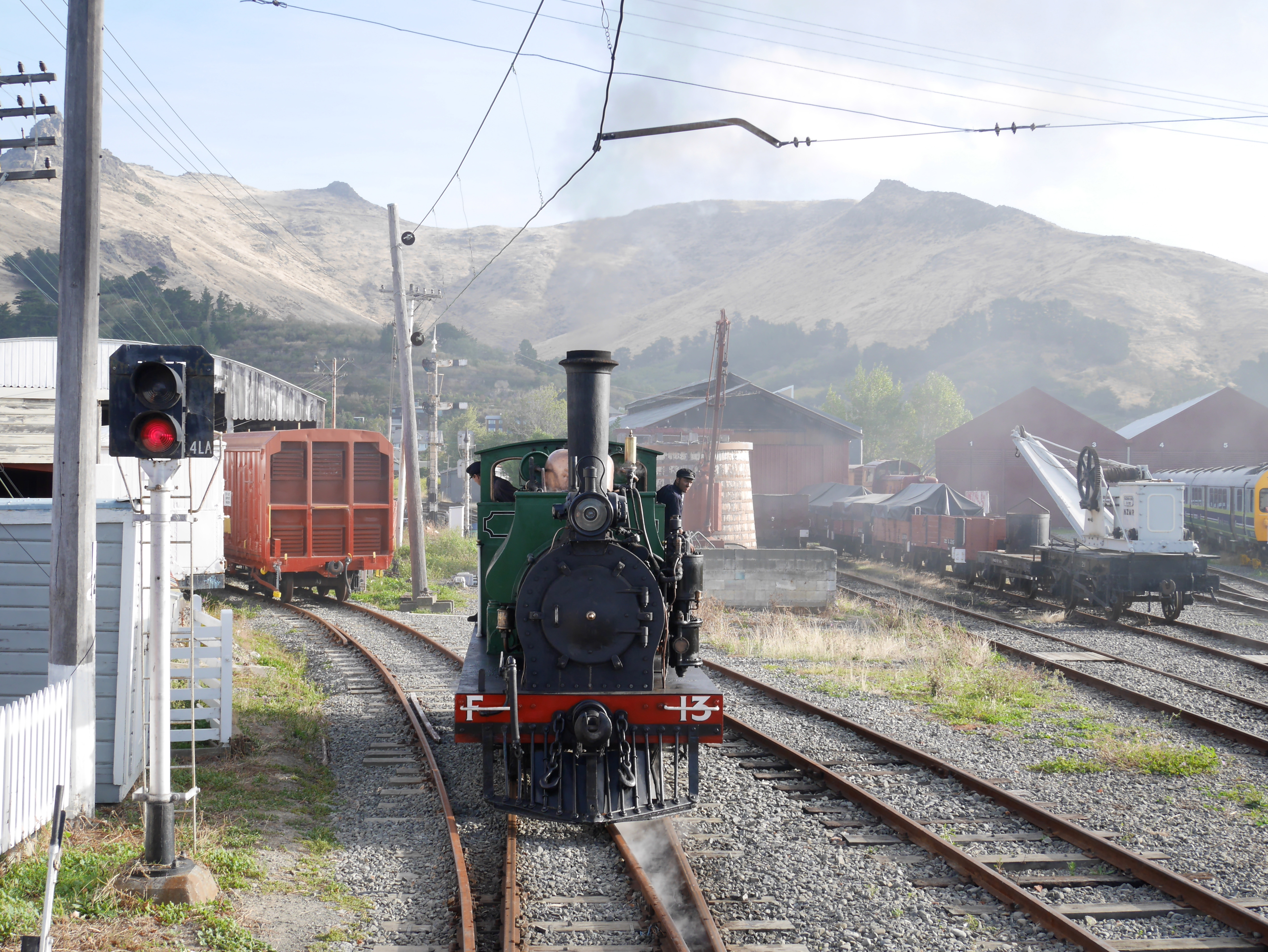
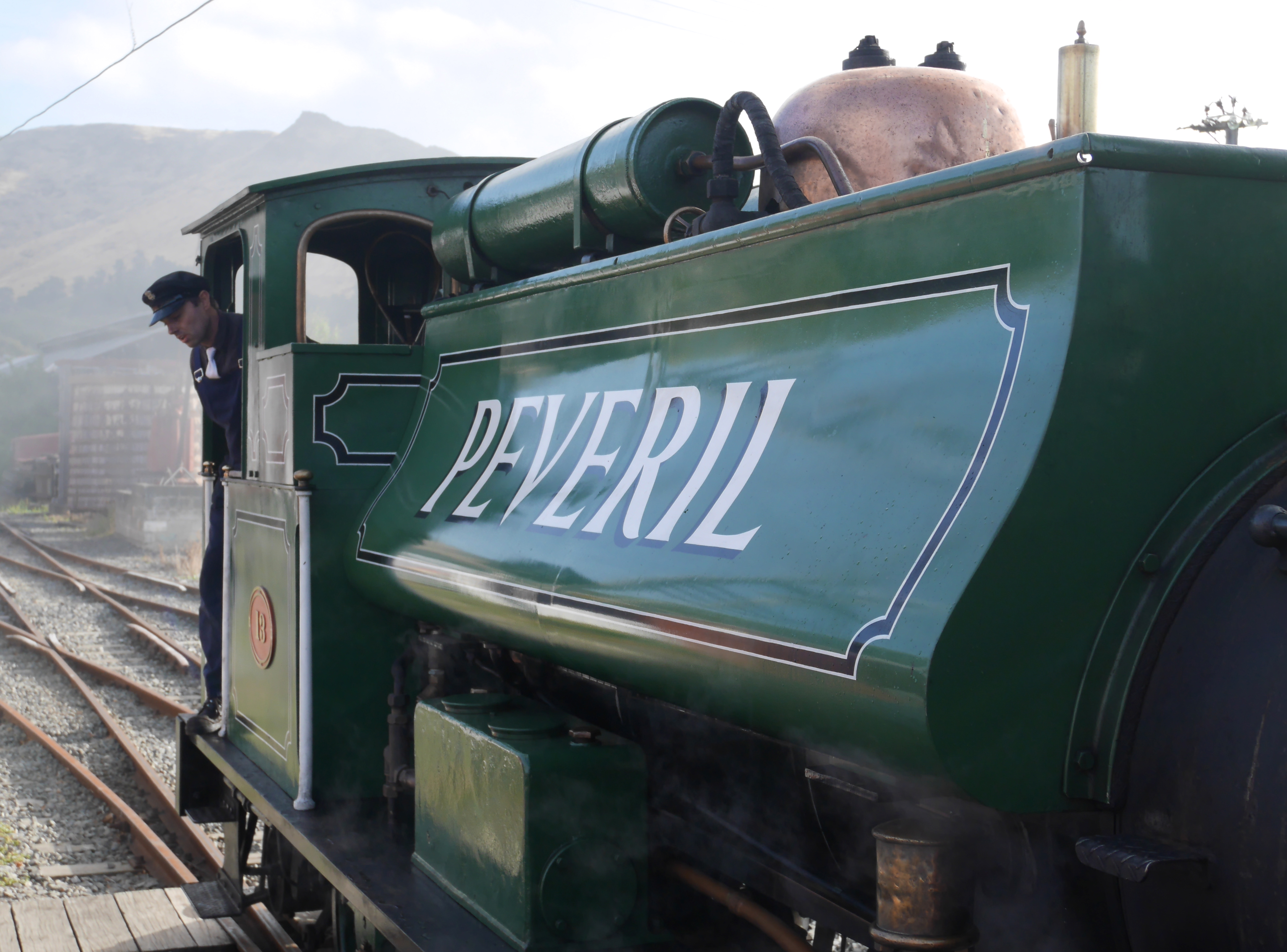
    This was my first time visiting Ferrymead Park and I was compelled to jump on the train for a scenic trip that took me back in time. The day catered to all ages and interests, while remaining true to its roots. I anticipate many photos and round ups across the interwebs, so I’ll leave you with a few photos of my favourite moments.
    p1000553

    P1000649.JPG

    P1000648.JPG

    p1000741

    p1000609

    p1000733

    p1000688

    p1000605

    p1000583

    p1000692

    p1000640

    p1000718

    p1000612

    p1000556

    p1000557

    p1000727

    p1000653

    p1000547

    p1000633

    p1000628

    p1000716

    p1000544

    p1000721

    p1000717

    p1000748

    p1000700Tell me about the best festival you’ve ever attended? Was it a popular, globally-known festival like Glastonbury or Coachella or a more intimate, local affair?